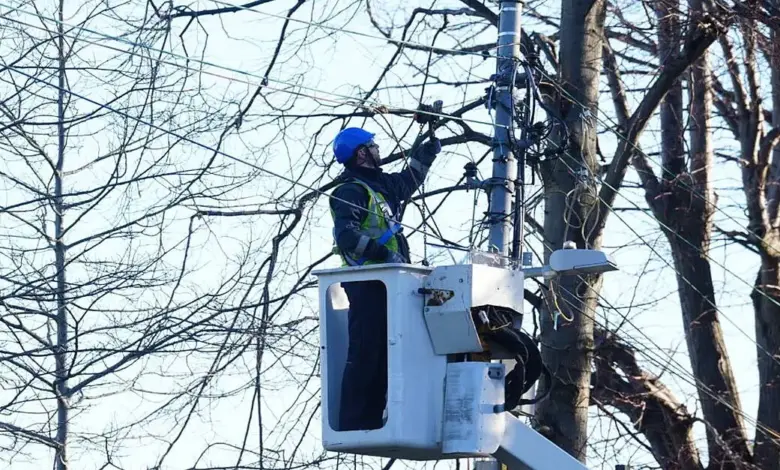
On a gray morning after the worst of the winds, the low hum of generators and the distant clatter of repair crews set the tone for a recovery that would be counted in euros and in days. The esb Group’s annual report, taken to Cabinet, makes plain one harsh tally: a 10 per cent fall in profit after tax linked to the storm’s damage and the costs of restoring service.
Why did Esb report a 10% drop?
The Cabinet heard that the ESB Group saw a 10 per cent drop in profit after tax last year because of “unplanned costs” relating to Storm Éowyn. The Government spokesman outlined the headline figures presented to ministers: profit after tax of €636 million in 2025, down from €706 million in 2024. ESB had previously said it incurred additional operating costs “of the order of an aggregate €100 million” in reconnecting customers and remediating damage to networks’ infrastructure following the storm.
How did Storm Éowyn affect customers and the grid?
Storm Éowyn in January 2025 is described in the material as one of the most dangerous and destructive storms in living memory. It brought gale-force and storm-force winds, with gusts recorded at over 184 km/h — a national record cited in the briefing. The impacts were particularly severe and prolonged in remote and rural communities along the western seaboard, the north-west and the midlands. The storm left a million customers of ESB and NIE without electricity supply across the island of Ireland, and parts of the country experienced week-long interruptions to power and water supplies.
What does the record of costs and outages mean for communities?
The numbers in the annual report translate into weeks of disruption for households and businesses far from repair depots. Remote communities, where the material says impacts were longest, faced both the physical dangers of a storm of that intensity and the logistical challenge of reconnecting networks spread across rugged terrain. The briefing presented to Cabinet frames those human and economic burdens in financial terms — the fall from €706 million to €636 million after tax — and in operational terms — the roughly €100 million of additional operating costs to bring customers back on line and fix damaged infrastructure.
The account given to ministers and the figures in ESB’s own reporting create a stark linkage: severe meteorological events can reframe a utility’s annual performance almost overnight. The Cabinet heard the phrase “unplanned costs” repeatedly as the scale of the damage and the effort to repair it were explained.
As crews cleared debris and technicians worked on lines scored by the record gusts, the human footprint of those figures was visible in generator sirens, temporary supplies and the patient frustration of households waiting for power and water to return. For every euro in the headline drop, there were repair teams and families counted against interrupted routines.
Back where the day began in that gray, generator-lit morning, the landscape of toppled trees and patched lines remained a reminder that the esb Group’s financial statement was also a ledger of communities’ resilience. The figures laid before Cabinet do not close the work; they mark a phase in recovery and a warning that extreme weather — and its costs — can reshape both accounts and everyday life.