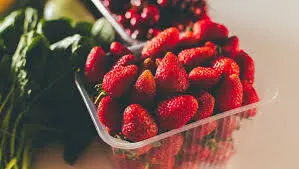
In an Instagram video, Mumbai-based orthopaedic surgeon and health educator Dr Manan Vora pointed to a familiar domestic scene: the spinach, strawberries and grapes that arrive at many kitchen counters, often looking fresh and ready to eat. He used that image to underscore a hidden concern — the dirty dozen produce that monitoring lists identify as most likely to carry pesticide residues.
Why is the dirty dozen produce more likely to carry pesticide residue?
Dr Manan Vora laid out how physical characteristics of certain fruits and vegetables help explain their vulnerability. “The first is spinach, because these leaves have a large surface area, pesticide sprays can easily stick to the surface. Food monitoring programs have detected multiple pesticide residues in spinach, including compounds like permethrin, which is considered a neurotoxic insecticide, ” he said. He continued, “The second is strawberries. Their skin is very delicate and cannot be peeled, which is why pesticide sprays can remain on the fruit’s surface. “
On grapes, he warned that growing form and packing matter: “The third is grapes. Grapes grow in tight clusters where pesticide sprays can accumulate on the surface. Studies show that over 90 percent of conventional grape samples contain multiple pesticide residues. “
Dr Vora also referenced how global monitoring lists group other high-residue items together, noting that “strawberries, spinach, kale, apples, peaches, nectarines, pears, grapes, cherries, blueberries, and bell peppers are collectively called the ‘Dirty Dozen’. ” His framing treats the phrase as a practical descriptor used by monitoring programs to highlight produce that tends to carry the greatest pesticide load.
What did Dr Manan Vora say families should do about the dirty dozen produce?
Dr Vora was careful to separate risk from recommendation. He clarified that identifying the dirty dozen produce is not a call to stop eating these fruits and vegetables. He emphasised that they remain highly nutritious and central to a balanced diet. He explained that this does not mean eliminating these foods from your diet – instead, he shared simple ways to reduce exposure and make them safer to eat.
The surgeon described the issue as an environmental and nutritional hazard born of modern farming practices that rely heavily on chemical sprays. He positioned public awareness — understanding which items are more prone to residue — as a first step, and framed individual choices as a pragmatic response rather than an all-or-nothing decision.
His voice combined a clinical concern for chemical exposure with practical health messaging: the items on the dirty dozen produce list are common, nutritious and worth keeping in diets, but they also deserve informed handling and attention because of the way pesticides can cling to certain surfaces and structures.
Institutional monitoring that compiles lists such as the one he cited provides the backdrop for this advice, flagging patterns across conventionally grown samples. That broader surveillance is what identifies the group of fruits and vegetables people and clinicians now discuss when weighing nutritional benefit against potential exposure.
Back in the short video that started this discussion, the familiar arrangement of spinach leaves, small red strawberries and a tight cluster of grapes took on new meaning. Dr Vora’s message closed the loop he opened: these items are valuable sources of nutrition, but awareness and careful choices matter because they appear on the dirty dozen produce list.
The image of those three items — visible and ordinary on many tables — now serves as a quiet prompt. Families are left with a practical tension: preserve the nutritional gains these foods offer while heeding the signals that monitoring programs and clinicians use to call attention to pesticide residues. That balance, Dr Vora implies, is the most responsible next step for consumers and caregivers alike.