Maldives unveils new visas as Middle East war hits tourism — a government’s gamble on longer stays

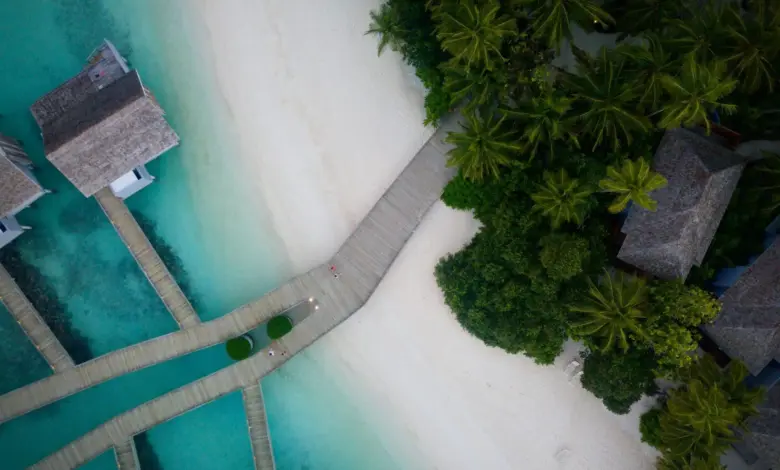
On the wooden jetty outside a small guesthouse, staff scan a thinner-than-usual arrivals list — a visible echo of the maldives’ sudden downturn in visitors after flight corridors through the Middle East were disrupted. The empty chairs and postponed transfers are one moment in a national story: tourism officials now racing to reshape who comes and how long they stay.
How will the Maldives attract longer-stay visitors?
The Maldives government has announced plans to broaden its visitor base by creating new visa categories aimed at longer stays. Tourism and Environment Minister Thoriq Ibrahim said, “authorities are working to expand the current 30-day visa-on-arrival system to allow easier extensions, ” and that the state will introduce a “Remote Working Visa” and a “Content Creator Visa. ” He framed the move as an effort to “reposition the Maldives as a longer-stay destination. “
Those measures are a direct response to sharply reduced arrivals after airspace closures and rerouted flights through the Middle East interrupted normal travel patterns. Minister Thoriq linked the visa changes to sustaining occupancy in guesthouses and smaller tourism operators, which are more sensitive to short-term swings in arrivals.
Why did arrivals fall and who has been affected?
Flight disruptions by major carriers have reconfigured routes that once used Middle Eastern transit hubs. British Airways, Lufthansa and Qatar Airways adjusted operations, contributing to a rise in travel time and cost for many visitors. The minister reported that tourist arrivals have fallen by approximately 21% since the beginning of the month, a figure that underscores the immediate economic fallout.
Analysts note that the Maldives’ heavy reliance on international tourism makes it particularly exposed to geopolitical shocks. In practice, that exposure hits a range of businesses: luxury resorts with buffer capacity, smaller guesthouses that rely on steady week-to-week bookings, and tour operators offering short-package itineraries. Countries cited as pivotal to recovery efforts include the United Kingdom, Germany, China, Russia and India, which have continued to supply visitors even as other source markets faltered.
What else is the government doing to diversify tourism?
Officials are pursuing a multi-pronged response beyond visas. Plans under consideration include expanding sports fishing and big-game fishing, and promoting both technical and recreational diving to broaden the appeal beyond traditional luxury-resort visitors. In a notable policy change, the government will lift a decades-old ban on spear fishing that had been in place for around 40 years, aimed at developing niche segments of the market.
Additional measures seek to attract chartered superyachts and to make it easier for researchers to base themselves in the islands, signaling a deliberate effort to diversify visitor profiles. Minister Thoriq framed these steps as part of a broader strategy to stabilize occupancy and provide alternative revenue streams for operators hit by the sudden drop in arrivals.
Voices from the industry are mixed but focused on adaptation. Minister Thoriq emphasized the practical aim of the visa changes and diversification efforts, while industry observers point to structural vulnerability: the island nation’s dependence on transit hubs and international carriers creates recurring risk when geopolitical tensions flare. The new visas target remote workers and digital content creators who can maintain income streams while staying longer, offering a potential buffer against short-term travel shocks.
Back on the guesthouse jetty, the reception manager folds a reservation sheet into a pocket and eyes a schedule of incoming flights that has been changed several times. The visa plans and new niche offerings give her cause for guarded optimism, but the immediate challenge remains getting people back through the altered air routes. For a country whose economy is so tightly bound to visitors, the question lingers: will longer stays and niche markets be enough to offset the impact of disrupted transit corridors and the airlines that once carried so many of its guests?
As the sun sets over the same jetty where the piece began, the arrival board shows a few new bookings — signs of life, but not yet a full recovery. The maldives’ experiment with remote-working permits and creative visas begins in earnest amid uncertainty, and the coming months will reveal whether this is a short-term fix or the start of a lasting reshaping of the tourism model.