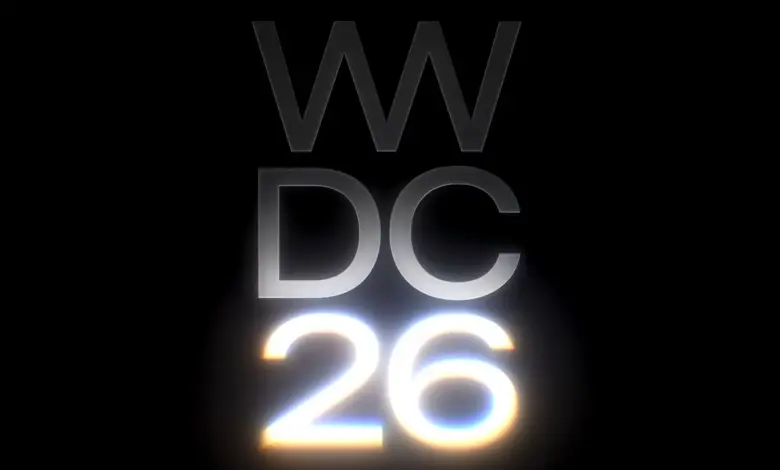
In a move that reframes its software priorities, apple will run its Worldwide Developers Conference online from June 8 to 12, while inviting developers and students for an in‑person opening day at Apple Park. The event is being cast as a moment for the company to demonstrate renewed momentum on artificial intelligence, roll out platform updates and developer tools, and lay the groundwork for services and future hardware cycles.
Apple’s WWDC schedule and format
The company has set a five‑day online conference from June 8–12 with an in‑person keynote on the opening day at its Cupertino campus and invitations extended to developers and students for that presence. Historically positioned as a software showcase, WWDC will again emphasize operating system updates and developer tooling across the company’s platforms. The hybrid setup—online sessions complemented by a limited in‑person kickoff—reflects a continued focus on broad remote participation while preserving a physical headline moment for the developer community.
AI comeback and the software roadmap
WWDC has been framed as a critical venue for the company’s bid to reset its standing in artificial intelligence. The program is expected to spotlight AI advancements alongside major operating system updates and developer tools. The week is likely to introduce the next version of the iPhone operating system and other platform releases, and the company has signaled an intention to make its voice assistant more conversational and chatbot‑like as part of that push. Past conferences emphasized incremental, user‑facing improvements—features such as live translations for calls—so the emphasis this year on broader AI capabilities marks a strategic intensification rather than an abrupt pivot.
Services growth, Maps advertising and market implications
Separately, the company appears to be expanding the monetization levers within its services portfolio. Plans to place advertising inside the Maps app—allowing retailers and brands to bid on ad slots tied to search queries—would create a new revenue stream running across iPhone, other devices and web platforms, with a rollout targeted for as early as summer. That initiative dovetails with a services business that recently reached a record first‑quarter revenue figure of $30. 01 billion.
The combination of stronger platform AI, new ad inventory in Maps and continued developer engagement could have cascading effects: higher services revenue targeted advertising, deeper integration of AI features that lock users into the ecosystem, and a software foundation that supports fall hardware refreshes. The company customarily follows WWDC with product launches later in the year; signals released around the conference will be read closely for clues about device timing and the relationship between software advances and upcoming hardware introductions.
Expert perspectives and editorial reading
The company’s public statement framed the event as a showcase for platform updates, AI advancements and refreshed developer tools. That positioning treats WWDC as both a technical briefing for the developer community and a strategic signal to customers and investors that software and services remain central to growth. Observers note that previous WWDC presentations often favored practical, incremental features that improve day‑to‑day use; this year’s messaging suggests an attempt to balance those steady refinements with a more pronounced AI narrative.
Regional and global ripple effects
An intensified AI focus and new ad formats inside Maps would have implications beyond product roadmaps. For developers, revised APIs and tools released during the week will determine integration pathways for third‑party apps and services. For advertisers and retailers, new local ad inventory could reallocate digital marketing spend toward in‑app maps placements. Globally, any AI features that materially change user experience could influence how competing platforms prioritize their own AI roadmaps and developer incentives.
As the conference approaches, the principal questions are pragmatic: how substantive will the AI features be, how quickly will Maps advertising reach scale, and how tightly will software advances be tied to later hardware launches? The company has set the calendar; the remainder of the year will test whether WWDC’s announcements translate into measurable growth for services, clearer differentiation in AI, and a smoother pipeline from software preview to consumer products—and how those outcomes will reshape the wider technology landscape centered on the apple ecosystem.