In a packed San Francisco federal courtroom, the hush after the verdict felt less like an ending than a recalibration. The word twitter hung in conversations in the hallways and on the faces of shareholders who had sold during a volatile stretch — a stark reminder that a few sentences posted online can ripple into billions in losses.
What the jury found about Twitter purchase
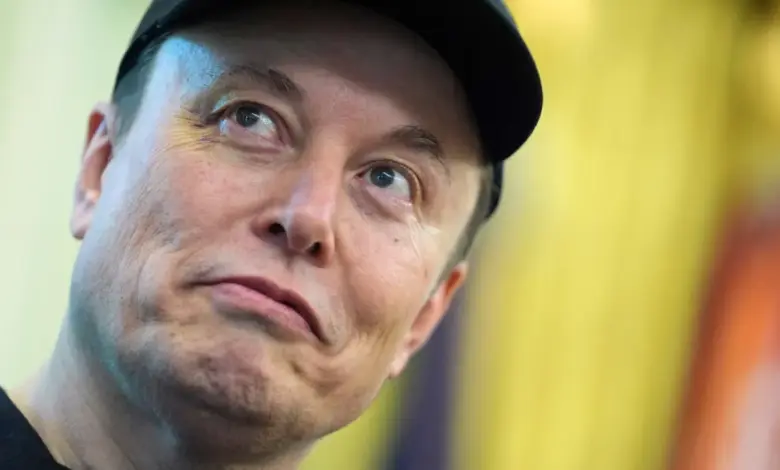
A federal jury in California concluded that two tweets posted by Elon Musk in May 2022 contained false statements that were responsible for a plunge in Twitter’s share price as he moved to buy the company in a roughly $44 billion deal. The nine-person jury delivered a verdict in a class action securities lawsuit that found Musk violated a securities rule forbidding false or misleading statements that sink a stock price. The verdict form showed jurors agreed the tweets were false and connected to the drop in value.
While jurors found liability on those statements, they also absolved Musk of some accusations, concluding he did not “scheme” to mislead investors. The split decision leaves a precise accounting of responsibility, even as it affirms that public statements by an individual can have legally actionable market consequences.
How plaintiffs and Musk reacted
Investor Giuseppe Pampena brought the suit on behalf of people who sold shares between mid-May and early October 2022. A lawyer for the plaintiffs estimated damages at about $2. 6 billion. Minutes after the judgment, lawyers for Musk said their client will appeal, characterising the outcome as a “setback. ” Musk, who is the chief executive of Tesla and SpaceX, did not immediately react to the verdict in court; his in-person testimony had been part of the three-week trial.
The human element ran through the proceedings: individuals who sold stock, legal teams preparing long hours, and jurors weighing technical securities rules against a torrent of social-media statements. That blend of personal stakes and legal doctrine shaped both testimony and reaction.
What this means for investors, companies and public speech
The decision underscores how a corporate takeover and the public communications that surround it can translate into real financial harm for shareholders. The verdict makes clear that courts can and will scrutinize public statements tied to transactions when they appear to move markets. For plaintiffs, the outcome opens a path to damages; for defendants, the appeals process offers the next forum of contest.
Beyond the courtroom, the case touches people who watched their holdings fall and lawyers who defend and challenge modern digital-era communications. It also intersects with actions taken after the takeover: Musk acquired the social media platform in late October 2022 and later renamed it X, and he has since merged the platform with his artificial intelligence startup xAI and his private space exploration firm SpaceX. Those corporate moves remain separate from the securities ruling but are part of the broader arc that began with the takeover attempt.
Where the process goes from here
With an appeal announced by Musk’s legal team, the matter is not closed. The damages estimated by the plaintiffs’ lawyer — about $2. 6 billion — will be subject to further legal argument and judicial review. The split finding, in which jurors concluded there was misleading conduct but not an overarching scheme, frames the next phase: whether appellate judges will sustain the liability finding, adjust damages, or alter legal interpretations of public statements in takeover contexts.
For the individuals who sold shares during the disputed period, the verdict offers a measure of validation; for others, it raises new questions about how much reliance markets should place on high-profile social media posts. The judicial process will now weigh technical law, practical market effects, and the human stories tied to those trades.
Back in the courthouse hallway where the story began, conversations about accountability and consequences continued long after the gavel. Those who left the trial that day carried fresh uncertainty and, for some, a cautious hope that the legal system might restore a measure of financial remedy — even as the broader debate about speech, markets, and responsibility remains unsettled.