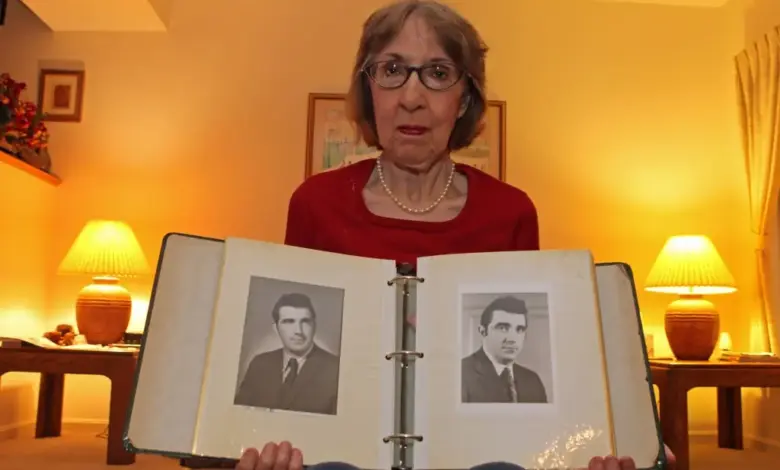
On the eve of St. Patrick’s Day, the late gangster whitey bulger seemed to speak from the grave: in handwritten pages he said he felt a “volcanic rage” and wrote of returning to South Boston with a gun. Those pages, seized at the time of his arrest, have now moved from a storage locker of federal evidence into the center of a legal fight that reaches back to a family loss described starkly in a separate headline as “A widow’s pain. ”
What did Whitey Bulger write in the manuscript?
The unfinished memoir, written while Bulger was a fugitive in 2007, contains passages in which he insists he wanted to “clear up the lies” he believed others had published about him. On handwritten pages he said he preferred “to return to So. B. and settle this with a gun, ” but wrote that he was worried about surveillance and being quickly captured. He added, “Good sense dictates that a Kamikaze attack by me is not a wise move and I would be limited to only one target. “
The manuscript was seized by the FBI inside Bulger’s apartment when he was arrested in Santa Monica in 2011. Documents filed in court in Miami now include excerpts from that memoir alongside FBI reports of interviews with Bulger after his capture. While Bulger never testified at his trial, those post-arrest interviews show him speaking at length about life on the run, his gambling in Las Vegas and episodes from his years living as a fugitive.
How are legal filings reshaping an old conviction?
Excerpts and post-arrest interview reports were filed in a motion by lawyers for John J. Connolly Jr., who was convicted in 2008 of helping orchestrate the 1982 slaying of a gambling executive in Florida. The motion argues that Miami-Dade county prosecutors failed to turn over statements Bulger made alleging Connolly had been “framed, ” and asks a judge to vacate and set aside Connolly’s conviction and sentence while his appeal proceeds.
Connolly, now an older man, was granted compassionate release in 2021 after doctors said he was terminally ill, and he returned home to Lynnfield after serving 13 years of a 40-year sentence for his role in the slaying of John B. Callahan. E. Peter Mullane, a longtime friend of Connolly’s and one of his lawyers, said, “He has three sons, grandchildren and a wife. It’s important to him to leave behind not a tarnished name, but a good name, based on the truth. ” Prior appeals by Connolly have been denied.
What does this mean for victims and families?
The renewed attention to Bulger’s personal writings and the FBI’s processing notes has reopened a legal and moral conversation that touches victims, families and the people who worked the earlier prosecutions. Bulger was sentenced to life in prison in 2013 for killing 11 people while running a criminal enterprise; he was beaten to death by a fellow inmate in a federal penitentiary in West Virginia in 2018 at age 89. The new filings cite his own words in an effort to influence how the conviction of a former FBI agent is viewed at this late stage.
The theatrical quality of Bulger’s own lines—”I never thought the day would come that I’d be writing a story about my criminal activity, ” he wrote—contrasts with the quieter, painful reality hinted at by the other headline invoking a widow’s pain over a murdered husband. The legal motion does not erase the suffering tied to the slaying at the case’s center, but it presses courts to consider whether material in federal files might change the record on how that conviction was reached.
Documents show that when Bulger was processed at the Metropolitan Detention Center in Los Angeles on the night of his arrest, he was talkative with agents, recounting episodes from his years on the run—the time he and his companion mistook courthouse helicopters for a hunt for him because O. J. Simpson was on trial across the street, and how he would slip back into Boston to “take care of” matters and enjoy gambling in Las Vegas. Those fragments of memory, drawn from FBI interviews, are now part of the legal argument pressing for reconsideration.
The manuscripts and files moving through a Miami courtroom offer no simple resolution: they are pieces of a tangled history that includes killers, a convicted FBI agent, grieving families and a handwritten attempt by a fugitive to tell his version. As lawyers press their case and judges weigh motions, the phrase invoked by another story—A widow’s pain—remains a reminder that any legal reexamination occurs against the backdrop of real loss and unanswered questions.
Image caption (alt text): whitey bulger manuscript excerpts and court files