São Paulo Vs Palmeiras: Morumbis Tension as Leadership and Arbitration Grievances Take Center Stage

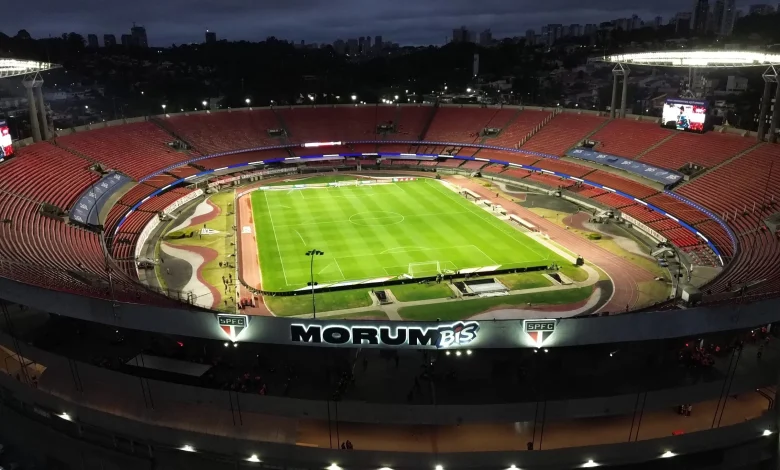
Under the floodlights at Morumbis, the stage is set for são paulo vs palmeiras — a match that will reframe the early pelea for the top of the Campeonato Brasileiro. The stadium hums with a familiar mix of expectation and friction as two teams level on points prepare to settle leadership on the field.
São Paulo Vs Palmeiras: stakes and recent form
This encounter is a direct fight for the league lead: both clubs arrive tied on 16 points and with five wins each, but Palmeiras holds the advantage on goal difference (eight to six). São Paulo comes into the fixture after slipping in form with a defeat to Atlético-MG that cost them the top spot; the club wants a win to reclaim the summit. Palmeiras, buoyed by a recent Paulistão title, has been consistent — only one loss in its last 12 matches, that defeat having come against Vasco at São Januário.
The recent history between the sides amplifies the stakes. Palmeiras is unbeaten in the last 11 meetings, compiling seven wins and four draws over a period that includes a Supercopa decided on penalties in São Paulo’s favor. The Tricolor’s last full-match victory over its rival dates back to July 2023, a statistic often raised by Palmeiras leadership in the prelude to this clash.
Lineups, absences and the human side of selection
Roger Machado, head coach of São Paulo, will welcome the return of right-back Lucas Ramon after a period of preservation for muscular wear. The club will be without Lucas, sidelined with two fractured ribs, with Ryan Francisco still in transition and Paulinho in reconditioning for a left-knee ligament issue. A likely São Paulo eleven listed includes Rafael in goal; a back four with Lucas Ramon, Alan Franco, Sabino and Enzo Diaz; a midfield of Danielzinho, Marcos Antônio, Bobadilla and Cauly; and a front pairing of Luciano and Calleri. Alan Franco, Enzo Diaz and Luciano arrive on caution.
Abel Ferreira’s Palmeiras could set up with Carlos Miguel in goal; Khellven, Murilo and Gómez (with Fuchs noted as an alternative) in defense alongside Arthur (or Jefté/Piquerez) on the flank; Marlon Freitas (or Emi Martínez or Evangelista), Andreas Pereira and Maurício in midfield; and an attack of Arias, Flaco López and Vitor Roque (with Allan an option). Paulinho is out as he undergoes physical reconditioning; Allan is on a yellow-card warning. Squad rotation and muscular management remain talking points, with Gómez and Murilo among those who may be rested depending on fitness plans.
Voices, arbitration row and what’s at stake beyond points
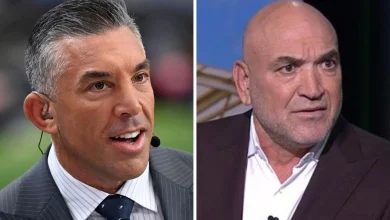
The build-up has been as much about governance and refereeing as about tactics. Rui Costa, director of São Paulo, criticized recent officiating, saying, “Our opponent won the last game because of glaring errors by the refereeing team. Unfortunately, in these confrontations, across two different competitions, we’ve seen recurring mistakes that favor the opponent. “
Palmeiras director Anderson Barros responded by defending the broader efforts to professionalize refereeing and calling for restraint: “We need to stop this. Football no longer allows this kind of stance. Rui Costa needs to understand that football is far beyond that type of conduct from the past. The refereeing is not the most important thing; the CBF has been trying, in every way, to make our refereeing evolve. ” Barros framed the emphasis as being on athlete development and on-field performance rather than off-field disputes.
Leila Pereira also entered the public exchange, provoking the rival by pointing to Palmeiras’ favorable recent head-to-head record. The off-field tension traces back to incidents in the semifinal at Arena Barueri: São Paulo felt aggrieved by a non-call for a handball against Gustavo Gómez, while Palmeiras objected to a penalty awarded after a challenge involving Marlon Freitas and Bobadilla.
These disagreements have become part of the match’s human texture — coaches managing injuries and minutes, directors defending institutional interests, and players asked to perform amid noise that extends beyond the pitch.
As kickoff nears, the practical responses are visible: rotation choices, careful fitness management, and public appeals to the Confederação Brasileira de Futebol about the standards of officiating. The contest at Morumbis will carry consequences in the standings and in the narrative of a rivalry that has lately been dominated by one side.
Back beneath the stadium lights where the night began, fans and participants will leave with more than three points on the line — they will carry the latest chapter of a strained rivalry into the days that follow, hopeful that performance on the field can quiet the disputes off it or, if not, intensify them once more.