Miley Cyrus Says She Was First to Reach Out to Chappell Roan — A Closer Look at Fame, Boundaries and Industry Care

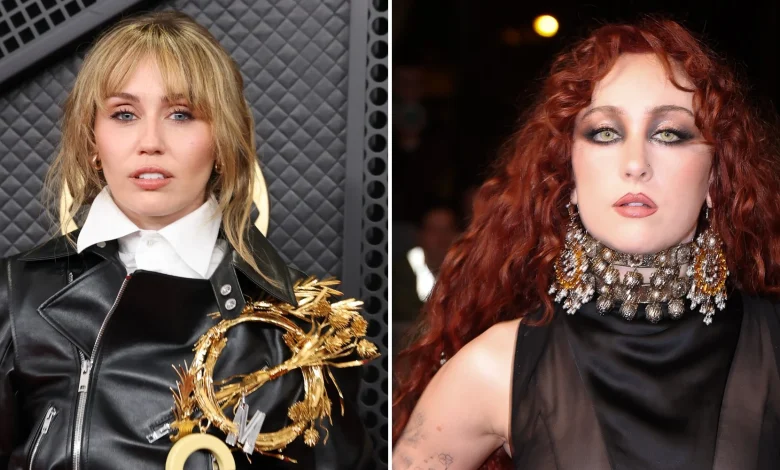
When chappell roan began publicly confronting fan harassment and intrusive paparazzi, Miley Cyrus said she was among “the first” to reach out. The outreach, described in an interview publicising the 20th anniversary of Hannah Montana, has reopened discussion about how established artists respond when newer performers face rapid stardom and personal boundary violations.
Chappell Roan’s Public Boundaries
The catalyst for the conversation was a public confrontation during Paris Fashion Week, where the artist filmed photographers who would not leave her alone. “When you’re disregarded as a human, this is what it’s like, ” she said while spinning the camera around, adding that the group were “completely disregarding all of my boundaries. ” That moment followed a summer 2024 breakthrough in which she used social video to urge fans to stop harassing her in public, listing incidents including non-consensual kissing, being followed to hotel rooms, and fans showing up at her parents’ house.
Chappell Roan’s decision to call out both individual fans and paparazzi publicly has driven debate about acceptable fan behaviour and the limits of celebrity accessibility. The artist framed these episodes as part of a broader pattern of boundary violations that accompanied a rapid rise to mainstream success.
Industry Response and Deep Analysis
Miley Cyrus said she reached out because she often feels protective when she sees someone being bullied. “I never bow down to bullies, ” she said, adding, “Anytime I feel like somebody is being bullied, I feel very protective of them. When I see people struggling, I’m always the first one to ask, ‘Can I get in contact with them?’ I’d like to show artists how they can have a balanced life. ” That statement situates the personal outreach as both moral support and an attempt to offer practical guidance for navigating sudden public scrutiny.
Other established artists also offered contact and warnings: one urged that it was “about to get really hard, ” and another connected to share counsel about coping with what they characterized as abusive aspects of fame. These responses suggest a pattern in which more experienced performers attempt to prepare newcomers for intensified public attention and its psychological toll.
Analyzing the causes behind these incidents, three connected factors emerge from the public record: an accelerated trajectory from underground acclaim to mainstream superstardom; intensified parasocial engagement from fans, including unsafe behaviours listed by the artist; and aggressive photographer conduct at high-profile events. The interaction of those factors can amplify privacy invasions and create moments that demand public pushback from the artist herself.
Regional and Global Impact
While the episodes described happened in specific settings, the dynamics described have broader resonance. A high-profile confrontation at a global fashion week and a public plea on social platforms connect local incidents to international fan cultures and media ecosystems. The public responses by established performers underscore how artist-to-artist support can shape industry norms about safety, privacy, and acceptable fan engagement.
There are operational implications for live events, artist security, and fan engagement strategies: hosts and promoters may need to reassess protocols for photographer access and crowd control, while artists and managers could formalize boundary-setting communications with fan communities. Those shifts would be responses to documented instances of harassment and invasive behaviour highlighted by the artist’s own accounts.
Expert perspectives
Miley Cyrus, star of Disney’s “Hannah Montana, ” framed her outreach as protective and practical, emphasizing mentorship and balance for younger artists. Chappell Roan, Pink Pony Club singer, used first-person footage and direct public statements to spell out the experiential reality of being pursued and harassed, insisting that repeated requests to stop were ignored. Together, their public comments create a narrative in which mentorship and boundary assertion are positioned as immediate remedies to documented harms.
The facts recorded in public statements and footage make clear that this is not merely a private dispute: it is a visible incident that prompted public intervention and a broader conversation about how fame is managed and policed within music and cultural events. Distinguishing fact from interpretation, the record shows outreach by established artists and direct accounts of harassment; analysis points to systemic stressors that can produce such episodes.
As the industry watches how established figures respond to these documented moments, one enduring question remains: how can mentorship, event protocols, and fan norms evolve in concrete ways so that the documented harms recounted by chappell roan are less likely to recur?