On a rain-slashed road beneath the darkened silhouette of Mount Teide, emergency crews move barriers and a cluster of travellers wait beneath plastic tarps — the scene of a sudden tenerife emergency where snow, wind and rain have conspired to halt plans and strand visitors and locals alike.
What is the Tenerife Emergency response?
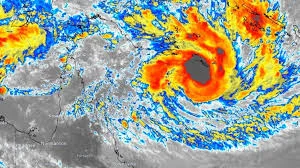
Storm Therese has prompted a coordinated response across island authorities. The Spanish weather service, AEMET, issued orange weather warnings for Tenerife, covering strong winds and heavy rain through the peak of the storm. The Tenerife Island Council, the Cabildo de Tenerife, activated its emergency plan and warned locals and visitors to exercise caution and avoid unnecessary travel. Temporary shelters have been set up in affected areas and access roads to Teide National Park have been closed. Outdoor events have been called off, roads are closed and some flights have been cancelled as part of the operational measures.
How will daily life and travel be affected?
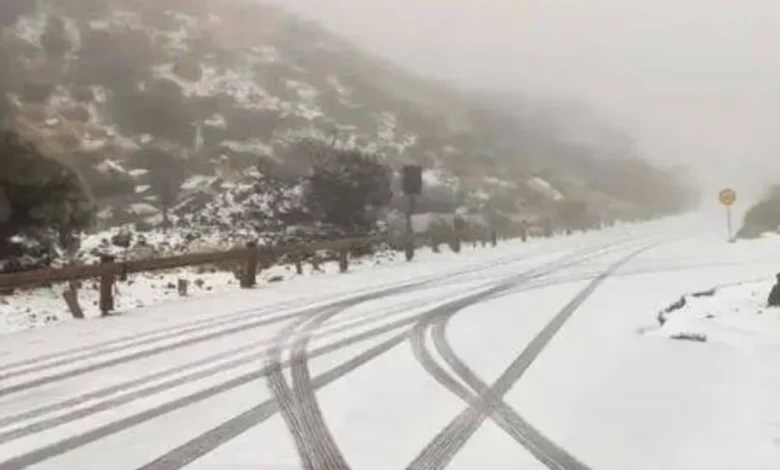
The impact is multifaceted: northern areas face wind gusts of 90–100 km/h while the southern half of the island is covered by a rain warning that could see intense downpours, with the potential for up to 100mm in some places over a 12‑hour span. That rainfall raises the threat of flooding, landslides and transport disruption. Rough seas and strong winds create additional hazards for coastal areas. Authorities have closed key routes, limited access to high ground and set up temporary shelter capacity to protect people displaced or stranded by closures. Tourists have captured footage of snow on approaches to Teide National Park, underscoring how holiday plans are being upended by the severe weather.
How long will disruption last and what should people expect next?
Forecasts present a short window of relief and continued caution. By Sunday the worst of the weather should begin to ease, although some yellow warnings will remain in force. Showers are expected to continue during the first half of next week, and other forecasts indicate adverse conditions could persist for several days, potentially disrupting travel and outdoor activities across the islands. Neighbouring islands such as Gran Canaria and La Gomera also face wind and rain warnings, while La Palma and El Hierro could see waves up to 6 metres, creating dangerous coastal conditions. Snow over the high ground around Mount Teide has been a striking feature of the storm; while surprising to some visitors, snow on the volcano is not unusual during winter and early spring.
Back beneath the blackened cone of Teide, crews remain at work and shelters continue to receive people whose plans were interrupted. The operational steps taken by AEMET and the Cabildo de Tenerife aim to reduce risk, but the sight of closed roads and cancelled flights offers a reminder that weather can rewrite routines in a matter of hours — and that this tenerife emergency will be measured not only by inches of rain or centimetres of snow but by how quickly services and communities recover and people reach safe ground.