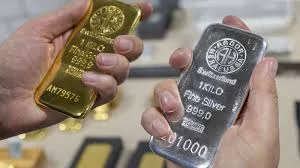
On the trading floor, a screen flashing red captured the moment traders watched the gold price slip again, as oil and gas jumped and policy bets shifted. Screens showed bullion reversing an earlier gain, and murmurs moved through rows of desks: for many here, the metal that once steadied portfolios no longer offers the same shelter.
Why the Gold Price Is Falling
Gold fell for a seventh consecutive session, with bullion sliding as much as 2. 7% after earlier adding about 1%. The move put the market on track for its longest losing streak since October 2023. Silver fell even harder, sinking more than 5% in the same stretch. The trigger in this episode was a spike in energy costs: strikes exchanged between Iran and Israel at key Persian Gulf energy facilities sent crude and gas higher, lifting inflationary pressures and changing expectations for central-bank action.
The Federal Reserve held interest rates steady at its latest meeting and projected just one cut this year. Chair Jerome Powell said a reduction would need inflation to slow, and Fed officials described developments for the U. S. economy as “uncertain”. Those shifts reduce the likelihood of a near-term rate cut, a headwind for a non-yielding asset like gold.
Voices from the Market
“It’s not a safe haven anymore, it’s a speculative asset, ” said Patrick Armstrong, chief investment officer of Plurimi Wealth LLP. That assessment captures how behavior has changed: some investors who chased bullion during its earlier rally have stepped back as volatility rose, while others have been forced sellers to meet margin calls elsewhere in their portfolios.
Yet the picture is not entirely one of loss. Bullion remains up around 9% so far this year, and it reached an all-time high above $5, 595 an ounce in late January. Still, from the start of the current regional conflict through the most recent close, the metal has fallen nearly 9%, signaling how quickly market positioning can flip when energy prices and policy outlooks shift.
What Central Banks and Investors Are Doing
Central banks’ stances are a central part of the story. By holding rates steady and signaling only one cut on the horizon, the Federal Reserve has tightened the backdrop for commodities that do not yield interest. Higher oil and gas prices have increased inflationary risks, which in turn makes rate cuts less likely — a dynamic that has been weighing on metals.
Market responses have been practical and immediate. Some investors have liquidated portions of their holdings to meet margin calls, while others have stepped aside until volatility calms. For families and savers who once treated bullion as insurance, the recalibration creates difficult choices: keep a long-term allocation to gold despite short-term losses, or reallocate to assets that offer income while inflation pressures persist.
Policymakers and market participants describe the situation as fluid. Energy-driven inflation is a new variable in a market still digesting the aftermath of previous geopolitical shocks, and authorities are watching how those price swings feed into broader economic indicators that guide future rate decisions.
Back on the floor, as monitors ticked lower and voices traded analysis for strategy, the scene that opened the day took on fuller meaning. Traders who had once treated the metal as a steady refuge now calibrate risk in real time, wondering whether the gold price will regain its role as protection or settle into a more volatile, speculative chapter. The answer will shape not just portfolios but the safety nets families rely upon in an uncertain economic moment.