Jennifer Pan Pleads Guilty to Manslaughter: Court Shifts Verdict After Long-Running 2010 Home-Invasion Case

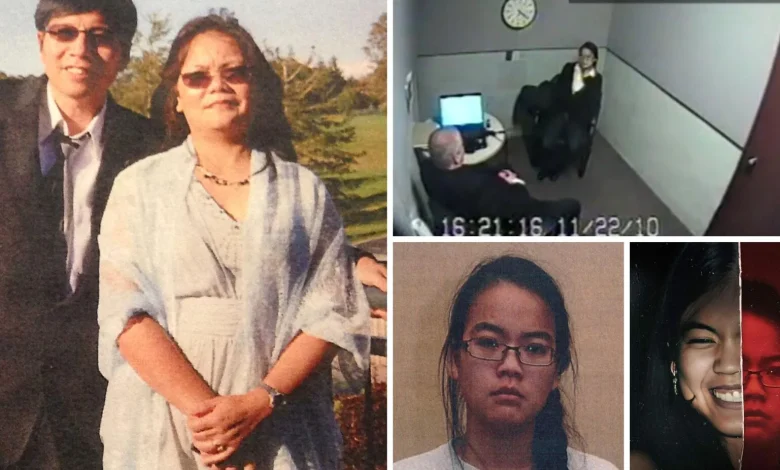
In a courtroom that has followed her story for more than a decade, jennifer pan stood and apologized through tears after entering a surprise guilty plea to manslaughter for the death of her mother during a staged home invasion. The development came after appellate rulings returned the case for reconsideration, and the plea acknowledged that while she said the hired attackers were meant for her father, it was objectively foreseeable her mother could be harmed.
Jennifer Pan: Background and the Court Road Back
The agreed facts in court trace a plan to kill jennifer pan’s father during a staged invasion of a family home in Markham in 2010. Three intruders entered the house; both parents were taken to the basement, ordered to sit with blankets over their heads and were shot. The mother, Bich Ha Pan, suffered multiple gunshot wounds and died; the father, Hann Pan, sustained serious injuries and survived.
Initially, a jury found jennifer pan guilty of first-degree murder and attempted murder, and she was sentenced to life. Later appellate proceedings overturned that verdict and ordered new trials, a process that ultimately returned the matter to the Newmarket courthouse. On the day of the guilty plea, Crown and defence jointly requested a life sentence for manslaughter to be served concurrently with the sentence jennifer pan is already serving for the attempted murder conviction; the time she has already spent in custody renders her eligible to apply for parole, with no guarantee of release.
Why the Plea Changes the Legal and Moral Narrative
The plea reframes the legal responsibility from a deliberate killing of the mother to an admission that the plan to have the father killed carried foreseeable risk to others in the house. Court filings say jennifer pan initiated and financed the plot, enlisting a partner, Daniel Wong, who helped find intruders and organize the attack. The agreed statement of facts states she did not intend for her mother to die, but accepted that she ought to have known her mother could be present and harmed.
Superior Court Justice Michelle Fuerst described the offence as particularly aggravating, noting that the initiation of a murder-for-hire and the decision to proceed despite the risk to the mother were “heinous” and showed “an extreme lack of moral compass. ” Defence counsel Nathan Gorham and Breana Vandebeek welcomed what they characterized as a fair resolution, with Gorham saying the Crown accepted the resolution on the basis that she did not intend for her mother to die and that she had expressed remorse.
Implications for the Family, Criminal Sentencing and Public Attention
The case has had sustained public attention and has been the subject of published narratives and a documentary. Family responses, articulated in court filings, describe the personal toll of seeing a private tragedy become public material. jennifer pan addressed family members directly in court, expressing shame and remorse.
Legally, the plea and concurrent sentencing close one chapter while leaving open procedural and parole questions. The Crown and the defence jointly sought concurrent life terms for the manslaughter conviction and the sentence already being served for attempted murder; that posture influenced the judge’s sentencing choice and preserves parole eligibility tied to time served. The judge’s remarks emphasized both the aggravating circumstances and the moral culpability embedded in initiating a murder-for-hire scheme that put multiple lives at risk.
Practitioners watching the case will see tensions between appellate review, jury findings, and negotiated resolutions play out in sentencing outcomes and post-conviction remedies. The case also illustrates how agreed statements of fact can reshape legal outcomes when original convictions are set aside on appeal.
jennifer pan’s plea leaves unresolved personal and institutional questions: the family’s continued trauma, the judiciary’s balance between retribution and rehabilitation, and how the criminal justice system handles long-running, high-profile matters when appeals alter the course of trials.
Where This Leaves the Case — and the Broader Conversation
The court accepted the manslaughter plea and the joint sentencing recommendation; jennifer pan will serve the new life sentence concurrently with the life sentence already imposed. Her expression of remorse and the family’s statements were factors in the judge’s disposition, but the sentencing judge also labeled the conduct reprehensible.
As the legal finality of this proceeding settles, questions remain about parole timelines, the family’s ongoing needs, and how high-profile criminal matters intersect with public narratives. What effect will this resolution have on future appellate strategy and on victims’ families seeking closure from cases that have been reopened and reexamined?
Will the court’s response to this plea reshape how similar cases are handled when original convictions are overturned and retrials or pleas follow — and what further legal and human consequences will unfold for jennifer pan and the Pan family?