Mcd and a New Promise: How Manulife and Guardant Health Aim to Change Cancer Screening for Families

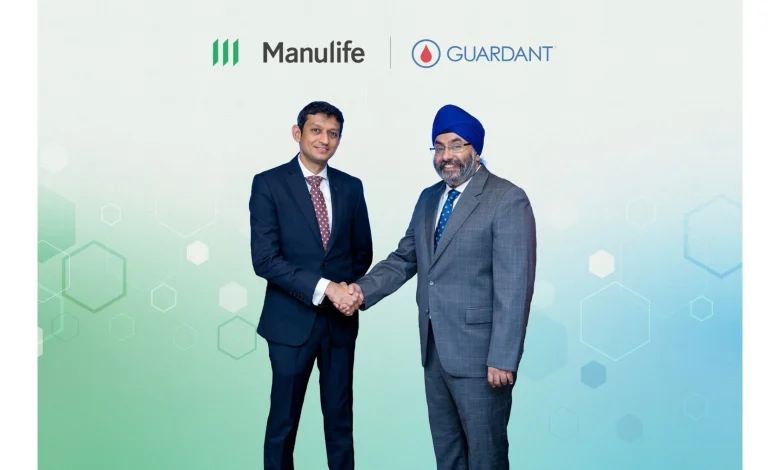
On a humid morning in Manila a routine appointment at a health clinic turns into a quiet, hopeful moment when a phlebotomist extends a vial for a single blood draw. That small gesture is at the center of a new health offer: the Shield mcd test, which Manulife will make available to eligible customers in three Asian markets as part of an exclusive partnership with Guardant Health.
What is Mcd and who will get access?
The Shield Multi-Cancer Detection test is a blood-based screening designed to detect multiple cancers from one sample. Manulife and Guardant Health are launching the test for eligible customers in Hong Kong, Singapore and the Philippines, with availability beginning in April 2026. The test screens for 10 common cancers, including bladder, colorectal, breast, prostate, esophageal, gastric, liver, lung, ovarian and pancreatic cancers. The Shield test received Breakthrough Device Designation from the U. S. Food and Drug Administration in June 2025. Manulife describes this agreement as the first time an insurer in Asia will offer this Shield capability to its customers.
How does this partnership reflect wider needs and hopes?
Cancer remains a leading cause of death across the region, a reality highlighted in The Cancer Atlas produced by the American Cancer Society and the International Agency for Research on Cancer (IARC). Manulife frames the collaboration as a step to expand early detection with a simple blood draw, and Guardant Health leaders emphasize screening scale and reach. “By being the first insurer in Asia to offer the Shield MCD test, we’re empowering our customers with a credible and valued service that encourages proactive health management, ” said Steve Finch, President and CEO of Manulife Asia. Simranjit Singh, CEO of Guardant Health AMEA, said, “We are excited to partner with Manulife to introduce the Shield MCD test to Asia for the first time. Shield MCD has the potential to significantly lift screening rates across the region for the most prevalent cancers. “
What are the practical, economic and community implications?
For individuals, the promise is straightforward: a less invasive path to broader screening than many single-cancer tests. For insurers and health systems, the move is framed as a preventive investment that could shift when and how cancers are identified. “The introduction of our Shield MCD test in Asia marks a critical milestone in our mission to transform early detection and expand commercial access globally, ” said AmirAli Talasaz, co-CEO of Guardant Health. Manulife has also announced a commitment to extend access to underserved communities, a pledge Harshal Shah, Chief Marketing Officer of Manulife Asia, tied to the firm’s broader longevity and wellbeing ambitions: “This commitment underscores our dedication to prioritizing health and wellbeing so people can unlock life’s potential and live fuller, more prosperous lives at any age. ” Economically, the partnership creates a private-sector route to make this technology available in multiple markets where screening rates vary and cancer burden is high.
Operationally, the collaboration builds on existing offerings between the two companies in Singapore for advanced tumor testing, positioning the new Shield offering as an expansion into preventive care and earlier detection.
What comes next and what remains uncertain?
Beginning in April 2026, eligible Manulife customers in the three launch markets will be able to access the Shield MCD test. The companies frame the rollout as an initial phase of broader regional access and community outreach. Questions that remain include uptake among different population groups, integration with local screening programs, and the pathways for follow-up care after a positive screen. Guardant Health and Manulife present the partnership as an attempt to address real, unmet health needs by combining new diagnostic technology with an insurer’s distribution and community commitments.
Back in the clinic the article opened in, the simple blood draw feels less routine: a small gesture that, for some families, could become the first step toward earlier detection and different choices. Whether the Shield mcd test will deliver on that hope at scale is the next chapter these organizations say they will write together.