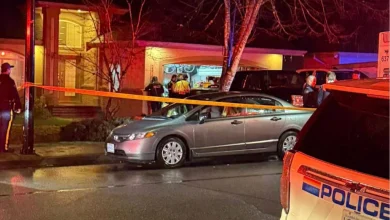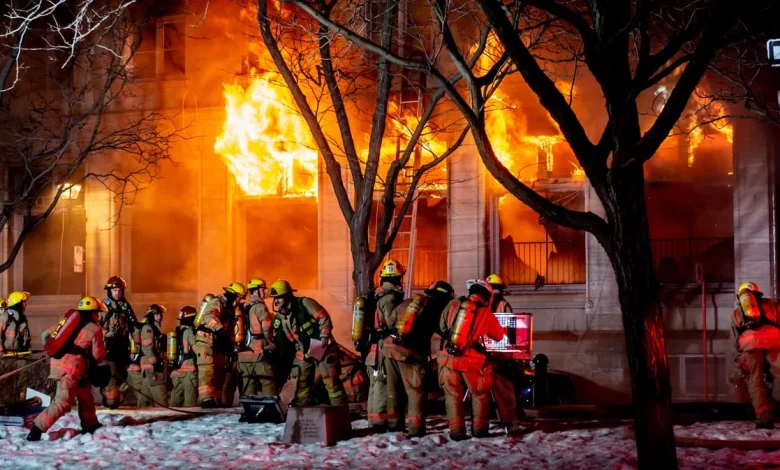
emile benamor was arrested by the Service de police de la Ville de Montréal in connection with the March 16, 2023 fire at a heritage building on place d’Youville that killed seven people and injured nine. The owner and lawyer faces multiple criminal charges, marking the first formal accusation tied to that blaze.
What Happens Now That Emile Benamor Is Arrested?
The arrest followed an investigation by major crimes investigators of the Service de police de la Ville de Montréal and a review by the Director of Criminal and Penal Prosecutions (DPCP), which had received a complete investigative file. Authorities have laid charges that include involuntary homicide and criminal negligence causing bodily harm; the accused faces a total of about fifteen counts. He is expected to appear before the Montreal courthouse in the hours following the arrest.
While police had not previously identified him as a suspect in the arson itself, public records and documents show repeated fire-safety non‑compliances at the William‑Watson‑Ogilvie building dating back to 2009. In the weeks after the 2023 tragedy, many shortcomings in the building’s fire safety under the owner’s responsibility were publicly highlighted.
What Is the Current State of the Investigation and What Could Happen Next?
The investigation into the March 16, 2023 blaze evolved from an initial accident classification to a criminal inquiry after investigators found traces of an accelerant at the scene. That finding prompted a homicide‑level probe; months and years of work by police and prosecutors culminated in the arrest now moving through the justice system.
Other files connected to buildings owned by the same proprietor have complicated the picture. In October 2024, a separate arson at another property owned by the accused killed a mother and young daughter; two suspects were arrested in that second fire, and the building’s owner was not charged in that matter. Families of victims have filed civil suits and a proposed class action against the owner. A coroner’s inquiry had also been ordered into the original fire.
Unresolved investigative threads remain: court and correctional records in a separate judicial matter have identified an individual filmed near the site around the time of the fire, but police have not publicly named that person as a suspect in this case. The Director of Criminal and Penal Prosecutions has continued to engage with victims’ families as the prosecutorial review proceeded.
- Best-case scenario: Charges proceed, the court process clarifies responsibility for safety failures, and systemic lapses tied to short‑term rentals and building upkeep are addressed through civil and regulatory follow-ups.
- Most likely scenario: A prolonged criminal process with pretrial motions and complex evidentiary disputes, parallel civil litigation from families, and continued public scrutiny of building regulation enforcement.
- Most challenging scenario: Acquittals or dropped charges on procedural grounds, leaving families without criminal accountability and requiring longer-term regulatory and civil remedies to force change.
Who gains or loses from these paths is straightforward: victims’ families seek accountability and systemic reform; prosecutors and police seek a legally sustainable case; building tenants and heritage‑property stakeholders face prolonged uncertainty; municipal authorities confront pressure over enforcement records; and the accused faces significant legal and financial exposure.
For victims’ relatives, the arrest brings a measure of movement in a case many have described as stalled. Louis‑Philippe Lacroix, father of one of the seven victims, has expressed gratitude that prosecutors maintained contact through the lengthy review process and framed the current development as a step toward justice, even if it cannot undo the loss. Families continue to press for clarity about how fire‑safety notices and prior non‑conformities were handled over the years.
This arrest is a pivotal legal inflection point but not an endpoint. The coming weeks and months will determine whether prosecutors can translate investigative work into convictions or whether civil courts and regulatory reviews will become the primary venues for accountability. Observers should expect a protracted judicial timetable, parallel civil actions, and renewed scrutiny of municipal enforcement practices. The case will continue to be measured against the human toll of the March 2023 fire and the questions it raised about building safety, short‑term rentals, and owner responsibilities tied to emile benamor