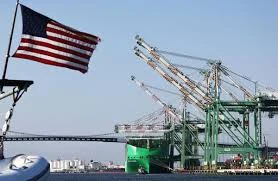
Donald Trump’s Call for a Naval Coalition Leaves Australia Unasked as Humanitarian Crisis Deepens

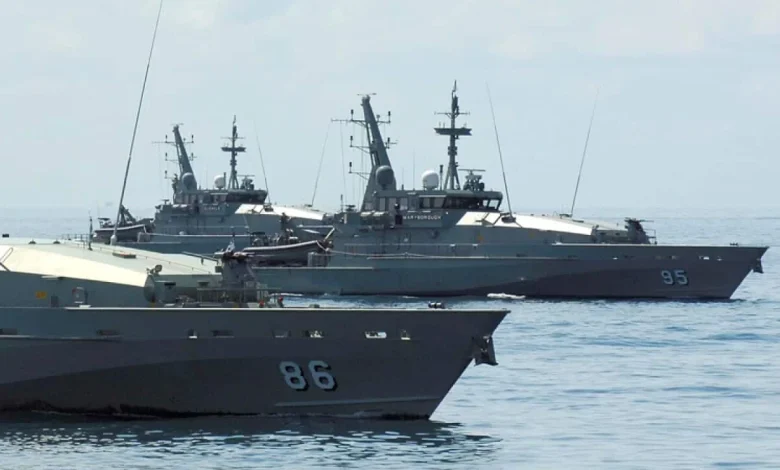
President donald trump has requested a multinational naval coalition to secure the Strait of Hormuz, yet Australia has not been asked to contribute a warship — a gap that coincides with escalating humanitarian appeals as displacement and casualties mount across the region.
Who initiated the request and what was asked?
Verified facts: President Donald Trump requested a naval coalition made up from different countries to help secure the Strait of Hormuz. The strait was closed by Iran to gain leverage in the conflict, and that closure has extensively disrupted shipping and driven global oil prices sharply higher. Defence Minister Richard Marles said the Australian government had not received a request from the United States to send a warship to assist in reopening the strait. Marles said, “We’ve not received a request from the United States in respect of the Straits of Hormuz, ” and added, “We’re not contemplating sending a ship, but we we’ve not received a request. “
Analysis: The sequence described places a presidential appeal for international military cooperation alongside an explicit denial of an invitation to Australia. That disconnect — a public call for partners while a key ally reports no formal request — raises questions about how coalition invitations are being communicated and what formal steps are required before partner nations consider operational commitments.
What are the humanitarian stakes and who is responding?
Verified facts: A coalition of leading Australian aid agencies launched a public appeal to raise urgent funds for relief efforts in Lebanon, Syria, Gaza and the West Bank. Mat Tinkler, chief executive of Save the Children Australia, framed the appeal by saying, “Thousands of people who’ve been killed or injured, millions of people have been displaced from their homes, and tens of millions are living in fear. ” The International Organisation for Migration reports that almost one million people have been forced to flee their homes in Lebanon as a result of the war. In Iran, more than 3. 2 million people have been displaced, with reports of about 1, 300 killed and more than 9, 000 injured since the conflict began. The charities behind the joint Middle East Appeal include Save the Children Australia, Plan International Australia, Oxfam Australia, Australia for UNHCR, ActionAid, CARE Australia, Caritas Australia, ADRA, Act for Peace, Anglican Overseas Aid, Australian Lutheran World Service, Baptist World Aid, CBM, ChildFund Australia and Tearfund.
Analysis: The humanitarian figures and the coordinated appeal show that non-governmental organisations are preparing to scale relief in response to mass displacement and damaged aid lines. That operational focus on shelter, water, sanitation, medical needs and schooling suggests immediate civilian needs are acute and that funding shortfalls could exacerbate human suffering even as military and diplomatic moves play out.
What decisions and transparency are required next?
Verified facts: Defence Minister Richard Marles said the government would consider any request to participate in the conflict through the lens of national interest, and reiterated Australia had not been directly asked. Aid agencies say Australian donations will enable supplies and a surge in relief operations.
Analysis: Two parallel decision tracks are visible: one military — requests for naval contributions and the diplomatic process that accompanies them — and one humanitarian — fundraising and relief deployment by aid organisations. The mismatch between a presidential call for partners and Australia’s statement that it was not asked underscores a need for clear, formalised communication between prospective coalition leads and potential contributors. Separately, the scale of displacement and casualty figures provided by the International Organisation for Migration and relief organisations means donors and governments must align funding and access plans with operational realities.
Accountability and next steps: Governments invited to join any coalition should receive formal diplomatic requests and assessments of legal and operational obligations. At the same time, donors and international agencies should prioritise funding for life-saving relief already identified by aid organisations. For public clarity and informed debate, formal invitations and the criteria used to decide participation must be made transparent so citizens and parliaments can judge commitments in the context of the unfolding humanitarian emergency and the public statements of national leaders, including president donald trump.