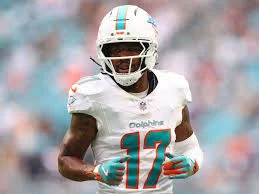
The NFL landscape shifted when the Miami Dolphins moved jaylen waddle to the Denver Broncos in a trade that exchanged elite receiving talent for premium draft capital. The transaction sent Waddle and a fourth-round pick to Denver in return for Denver’s first-round pick and additional third- and fourth-round selections.
What did the trade look like and why did Miami make it?
The deal sent jaylen waddle and a fourth-round selection to the Broncos. Miami received Denver’s first-round pick plus third- and fourth-round picks in this year’s draft. The move fits a clear strategy for Miami: a full tear-down rebuild to accumulate draft capital. Waddle, though still young enough to factor into a rebuild, became the asset Miami was willing to trade to accelerate that process and amass more picks.
What does Jaylen Waddle bring to the Broncos and to their offense?
Broncos leaders addressed a pressing roster need by acquiring Waddle. The team had an unproven group of wide receivers beyond Courtland Sutton and needed a downfield threat to complement its existing pieces. The addition of Waddle pairs two elite receivers in Denver and is expected to upgrade the wide receiver room dramatically — a point underlined by analyst and former NFL quarterback Dan Orlovsky, who said, “I absolutely love this for Denver… they needed a true wide receiver with speed, and there’s Jaylen Waddle. Huge pickup for Denver. “
Waddle arrives with a recent contract extension and proven production. He signed a three-year, $84. 75 million extension in March 2024. Across five NFL seasons, he has surpassed 1, 000 receiving yards three times, including a career-high 75 receptions for 1, 356 yards and nine touchdowns in 2022. In the 2025 season he posted 64 receptions for 910 yards and six touchdowns in 16 games. Those numbers are part of why Denver invested premium draft compensation to acquire him.
How does this affect Denver’s coaching and roster decisions?
The move comes after public criticism from head coach Sean Payton about the receivers’ performance; he went so far as to say they did not execute basic catching techniques. Payton also made staff changes at the end of the season, replacing longtime offensive coordinator Joe Lombardi with quarterbacks coach Davis Webb and moving on from wide receivers coach Keary Colbert. The organization’s front office paired those coaching shifts with this roster splash to create a clearer path for on-field improvement.
What are the immediate roster implications and the wider pattern?
On the Broncos’ depth chart, Waddle’s arrival puts pressure on younger receivers — including third-year wide receiver Troy Franklin, second-year receiver Pat Bryant and return specialist Marvin Mims, who has shown potential as a receiver. For Miami, the influx of picks positions the franchise to move quickly through a rebuild by adding selections in the first, third and fourth rounds.
Conversations about the trade trace back to interest that began before the current window; the teams reportedly discussed Waddle previously, and Denver revisited the possibility this offseason. The package Denver sent reflects that the franchise chose draft capital over retaining late-round depth in favor of adding an established top-tier playmaker.
The trade is both a roster solution for Denver and a reset for Miami: one team clarifying an immediate championship window, the other compounding resources for a longer-term rebuild. As draft day approaches, both organizations will measure the move by how those picks and Waddle perform in their new contexts.
Back in Miami, the move that shipped jaylen waddle northward will be debated at draft tables and in front offices. For Colorado, the sight of Waddle lining up opposite Courtland Sutton reframes the receiving room—and leaves a clear question hanging over the coming season: can premium draft capital turned loose rebuild a franchise, or will an immediate infusion of elite talent be the faster path to contention?