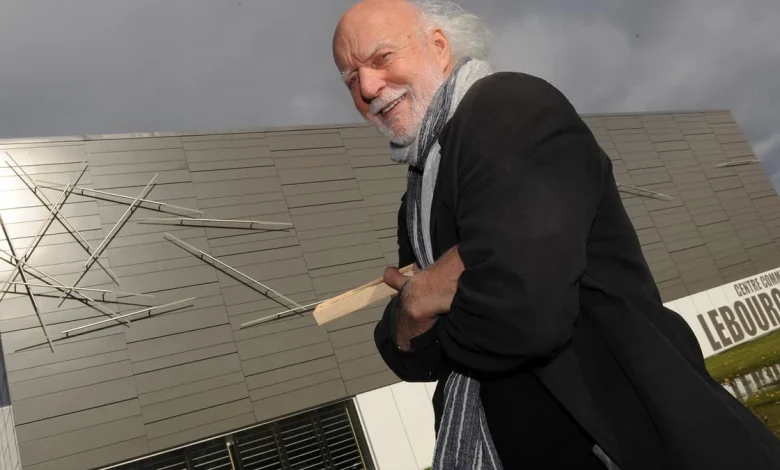
Inside a courtroom where a judge read his reasons, florent cousineau learned he would serve two years less a day after a second conviction for an assault from the 1980s. The sentence, the declaration that he is a registered sexual offender for two decades and the acceptance of an appeal frame a legal saga that has returned the artist to the center of public scrutiny.
What did Florent Cousineau do and what did the court find?
The courts found that the assault occurred in the mid-1980s, during an encounter when a young woman had come to the artist’s home to see his son. The man offered a massage; when the woman undressed for the massage, the judge determined the accused lay on her completely nude and sexually assaulted her, an act later described in trial as penetration without consent. The victim was described in court as roughly 18 to 19 years old and as someone close to the son, a relationship the judge characterized as a breach of trust.
The second trial reached the same outcome as the first: a guilty verdict. The first conviction had led to a 30-month sentence that was overturned on appeal and ordered for retrial. At the conclusion of the retrial, the presiding judge imposed 24 months less one day in custody, plus the declaration of the offender status for 20 years in one account, and a three-year probationary period in another account. In March 2025, the defendant filed an appeal of the second judgment and the appeal was accepted for consideration.
How did the court explain its decision, and what voices shaped the ruling?
Judge Charles-Olivier Gosselin addressed the credibility of the accused and the nature of the relationship between the parties. The judge described the accused’s version of events as inconsistent and found it impossible that the accused believed he had the victim’s consent, noting that the accused took no steps to ensure consent and that the woman did not show agreement. “The defence does not raise a reasonable doubt regarding the absence of consent, ” the judge wrote in his reasons. The judge also emphasized the significance of the abuse of trust, noting the victim had considered the home a place of refuge and had trusted the accused as the father of a close friend.
Defense counsel Charles Levasseur proposed a community-based sentence for the artist, but the judge concluded that the level of deterrence required custody. The court also referenced the earlier sentence imposed by another judge, which had been 30 months before being set aside on appeal. The record shows that the artist sought a new appeal after the second guilty verdict, and that the appellate court agreed to hear that challenge.
What are the social and legal consequences, and what comes next?
The sentencing underlines multiple consequences for the artist’s life and work: loss of contracts and calls to remove public pieces were noted in judicial consideration of the artist’s fallen status. The judge weighed both the personal consequences the artist faced and the need for deterrence in selecting a custodial sentence. The acceptance of an appeal means the conviction and sentence will be reviewed at a higher level, prolonging legal uncertainty for all parties.
The case returned repeatedly to the courtroom because of the initial appeal, the retrial and now a new appeal. The legal record includes the judge’s assessment of credibility, the defense’s push for a non-custodial sentence, the victim’s account of the encounter, and the pronouncement of offender status for two decades. For the woman who went to the artist’s home decades ago, the judgments represent formal recognition of her lack of consent; for the man whose public profile was tied to visible urban works, they represent both criminal sanction and reputational consequences.
Back in that courtroom where the sentence was handed down, the sound of the gavel closed one stage of the long legal process but opened another: an appeal that will test whether the convictions and penalties withstand higher scrutiny. The named participants — Judge Charles-Olivier Gosselin and defense counsel Charles Levasseur — remain central to the record, while the acceptance of the appeal ensures the matter will not be resolved quickly, leaving the final balance between accountability and legal review unresolved.