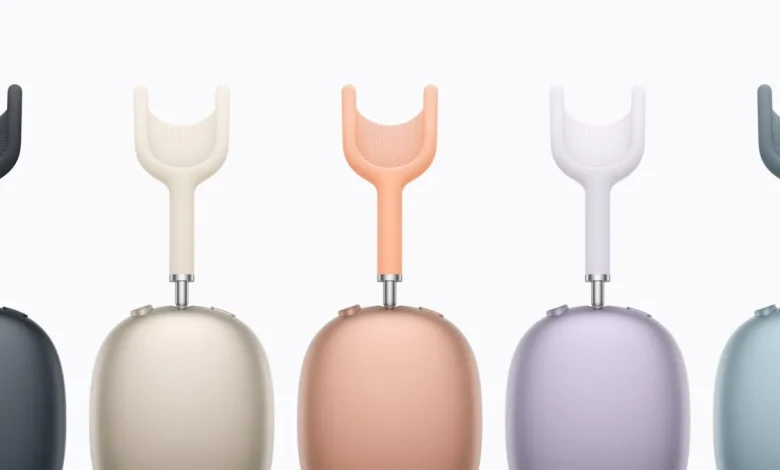
A boxed pair labeled airpods max 2 sits under a showroom light next to a $549 price tag and a placard that lists colors — midnight, starlight, orange, purple and blue — with orders opening March 25. The quiet launch feels less like a spectacle and more like a deliberate step: the hardware quietly refreshed, the feature list sharpened, the audience hinted at.
Airpods Max 2: What has Apple changed in the new model?
Apple unveiled the Airpods Max 2 as the successor to the original over-ear model and described a package of upgrades that span hardware, software and usability. The company highlights a new H2 audio chip and a high-dynamic-range amplifier intended to deliver cleaner audio and better bass, mids and highs. Active Noise Cancellation is described as up to 1. 5x more effective than the predecessor, and a new Adaptive Audio system automatically adjusts ANC and Transparency levels to suit the user’s surroundings.
Transparency mode is said to sound more natural thanks to a digital signal-processing algorithm optimized for the H2 chip and the headphone microphone array. The headphones also add Live Translation for in-person language help, and voice isolation that uses advanced computational audio to prioritize the speaker’s voice on calls. Camera Remote lets users press the Digital Crown to take a photo or start and stop video on a paired iPhone or iPad. For wired listeners and creators, the headphones support 24-bit, 48 kHz lossless audio when used with the included USB-C cable.
How will these changes affect users, creators and the market?
At $549, the new model sits clearly in the premium bracket while broadening practical use cases. Improved ANC and Adaptive Audio target commuters and office workers who want quieter personal space without losing awareness of surroundings. Live Translation and more natural Transparency mode speak to travelers and people who need smoother, in-person multilingual exchanges. The company frames the mic upgrades and the Loud Sound Reduction feature as benefits for interviewers, podcasters and singers who need cleaner capture and protection from loud environmental noise.
On the technical side, updated wireless connectivity and features referenced in comparison material include Bluetooth 5. 3 with reduced latency and additions such as Conversation Awareness and Personalized Volume. The new model follows a recent hardware refresh that swapped Lightning for USB-C and restored wired 24-bit, 48 kHz lossless support; the Airpods Max 2 builds on that foundation with the H2 chip and further audio refinements. Apple notes the headphones will be available to order starting March 25 in several colorways and will ship in more than 30 countries and regions.
For buyers weighing older units, the company’s positioning suggests a split: the original model retains a recognizable design and core capabilities, the USB-C refresh added wired lossless options, and the Airpods Max 2 represents the first substantive upgrade that bundles improved ANC, Spatial Audio enhancements, adaptive features and creator-focused mic performance.
Quoted directly, Apple characterizes the upgrades as both technical and practical: “the new headphones’ active noise cancellation (ANC) is up to 1. 5x more effective than their predecessor, ” along with improvements to Spatial Audio and localization of instruments. The company also highlights Live Translation, voice isolation, and Camera Remote as features intended to change how people use over-ear headphones day to day.
Back under the showroom light, that boxed pair still speaks to a narrow but clear promise: better sound, clearer voice capture and smarter awareness of surroundings for $549. As orders open and early users test features like Live Translation and Adaptive Audio, the measure of success will be whether those human-scale improvements — clearer calls, easier multilingual conversations, safer listening in noisy places — become part of everyday routines or remain selling points on a spec sheet. For now, the display placard lists the price, the colors and the order date; the quietness of the launch leaves the rest to users to decide.