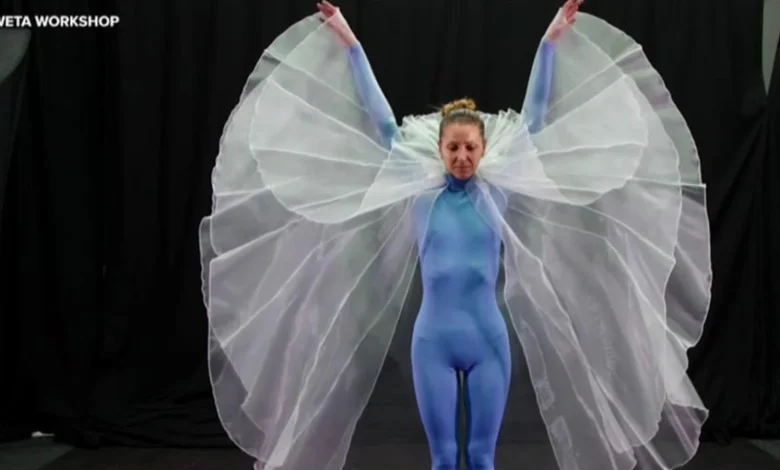
In a workshop in Wellington, a picked-up shell and piles of fabric sit beside meticulously crafted maquettes — the quiet beginnings of what would become the screen wardrobes for avatar fire and ash. The garments began as tangible objects, hand-stitched and fitted, then translated into the film’s lavish visual effects.
Why is Avatar Fire And Ash nominated for Best Costume Design?
The nomination surprised some observers because the film is so visual-effects heavy, but the work that earned the recognition started in physical form. Deborah L. Scott, Costume Designer, Wētā Workshop, describes a process in which “we make all the costumes in real life before we transfer them to the visual effects team, to recreate them for the screen. ” She explained that costume design for this project meant not just deciding how a garment looked but understanding “how it fits the character, how it moves, what the elements of the environment might be. ” That hands-on practice—building, fitting and testing actual pieces—creates the textures and behaviors that visual effects teams then digitize, which is the core reason a VFX-heavy title can qualify in a traditionally non-digital awards category.
How did New Zealand artisans and Wētā Workshop shape the costumes for Avatar Fire And Ash?
Costumes for the film were crafted in-house at Wētā Workshop in Wellington by a team led by Deborah L. Scott. The collaboration was long-running: an eight-year partnership produced and constructed garments for two films back-to-back. Flo Foxworthy, Costume Art Director, Wētā Workshop, said the team never ran out of ideas during that stretch: “You would think that after eight years we would have run out of ideas, but we didn’t. “
The team drew direct inspiration from New Zealand’s environments and native wildlife. Foxworthy described using local materials and motifs: “We used a lot of pāua in our costumes, specifically for the Metkayina, they were the reef clan, they lived in the ocean and so we used a lot of pāua in the costumes that we made for them. ” Deborah L. Scott, Costume Designer, Wētā Workshop, framed the early work as an exchange with the film’s creative leads: “You can take all the tidbits and all the clues and then it’s up to me and my department to kind of run with that and that’s when I get the pleasure of turning it over to great designers at Wētā Workshop for example. “
That approach—starting with physical prototypes and cultural and environmental references, then handing those pieces to visual effects teams—allowed the designers to preserve detail and movement when costumes became digital. The finished film, the third instalment set on Pandora where the Na’vi resist human colonization, carries those handcrafted elements into sequences that many viewers may assume were entirely computer-generated.
What does this recognition mean for the craftspeople behind the garments?
For Deborah L. Scott, the nomination was a personal and professional milestone. She reflected on a lifelong relationship to making: learning to sew young, creating a puppet as her first sewn object and keeping treasured pieces from earlier work. “It was quite a shock, ” she said of the nomination, adding that she felt “very lucky to be in the place that I am. ” For the Wētā Workshop team, the accolade foregrounds the role of traditional craft in a modern cinematic process and highlights the creative contributions of artisans who translated local materials and motifs into a global film language.
Practical responses to the design challenge are already embedded in how the production worked: sustained partnerships between a lead designer and an in-house workshop, cross-disciplinary collaboration with the director and production designers, and deliberate choices to build tangible reference garments before digital conversion. Those steps are the active measures that connected costume craft to the film’s visual effects pipeline.
Back in the Wellington studio where a shell once sparked an idea, the handmade remains as proof of intent: scraps and samples that informed digital renderings, a reminder that even the most high-tech images on screen can have very human, very tangible origins. As the awards season recognizes that link, the workshop pieces retain their purpose — evidence that craft, place and collaboration can shape what appears to be purely cinematic magic.