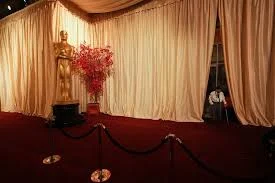
The oscars red carpet is opening as Hollywood’s biggest names converge for the ceremony, turning the boulevard into a stage where style, statement and strategy intersect. For nominees and attendees alike, the carpet is a last public moment before the awards: a place where established houses, daring risks and political pins all compete for attention. Tonight’s arrivals will test how fashion choices translate into cultural impact when cameras and security are both more intense than usual.
Oscars Red Carpet: who’s arriving and what they’re wearing
High-profile nominees such as Teyana Taylor, Timothée Chalamet and Emma Stone are on the guest list, each noted for distinct red-carpet histories that shape expectations. Rose Byrne has arrived in a custom Chanel, while other attendees include Ken Jeong, Diane Warren and Mario Lopez. Previous red carpets this season have showcased standout moments: Chalamet earlier opted for a butter yellow leather suit, and Mia Goth—named a Dior brand ambassador last year—wore black Dior at a prior ceremony. The presence of fashion powerhouses like Armani, Dior, Valentino, Prada and Chanel remains dominant, with many celebrities wearing those houses as brand ambassadors rather than independent designers.
Behind the glamour: politics, security and industry mechanics
The oscars red carpet is not only a fashion runway; it has become a platform for political expression. Pins reading “ICE OUT” and “BE GOOD” have appeared at recent awards events in response to a fatal shooting involving an Immigration and Customs Enforcement officer, and red pins calling for a ceasefire in Gaza have also been worn. With ongoing international conflict referenced in guest choices and displays, the carpet may again serve as a place for public statements.
Security and logistics are also shaping the moment. Hollywood Boulevard is carpeted and closed to facilitate arrivals, and the street-level reality—tourists and souvenir shops lining the route—contrasts with the televised glamour. This year, police presence on surrounding streets is noted as heavier than usual in reaction to wider geopolitical developments. Representatives from the accounting firm PricewaterhouseCoopers have arrived carrying the briefcases that contain the papers listing winners, underscoring the ceremony’s procedural backstory even as cameras focus on attire.
Historical precedents, fashion risk and cultural payoff
Iconic past looks underscore how the oscars red carpet can become enduring cultural moments irrespective of awards. Memorable outfits—ranging from Björk’s swan dress to back-to-front tuxedos and bold colour choices—illustrate that red-carpet decisions often outlive the winners list. Some actors choose classic old-Hollywood glamour as a safe route, while others use the carpet to push boundaries; Teyana Taylor’s run of inventive looks at prior ceremonies exemplifies the latter, as does Chalamet’s earlier bold suit choice.
Fashion choices on the carpet carry career and brand implications: the carpet can elevate an actor’s profile just as much as a statuette might. For brand ambassadors, the relationship with luxury houses often determines silhouettes and statements presented on the boulevard. At the same time, independent designers are rarely seen when major luxury houses provide the red-carpet gowns and tuxedos under ambassador contracts.
Expert perspectives on spectacle and significance
“It’s one of the dumbest things I’ve ever seen, ” said Steven Cojocaru, TV fashion critic, reflecting how certain looks can provoke strong reactions while later becoming part of fashion lore. Céline Dion, singer, has offered retrospective perspective on a once-derided tuxedo look, saying that if done today it would be seen differently—a reminder that reception can evolve over time. Those reactions feed into how stylists, designers and talent calibrate risk and tradition on the carpet.
The oscars red carpet will open this afternoon in Los Angeles with the wider ceremony slated to begin at 7 p. m. ET; the carpet typically opens several hours earlier to accommodate arrivals and the press choreography that frames the night.
When the spotlight dims and winners are seated, the evening’s most enduring images may turn out to be the few minutes on the boulevard: carefully staged, politically resonant and tightly policed. Will tonight’s looks become the next set of defining moments, or will they be eclipsed by the winners inside the theatre? The answer will be decided not only by votes but by which images people choose to carry forward from the oscars red carpet.