tig notaro is reconsidering what it means to stand on a very public stage after earning her first Oscar nomination as a producer on Ryan White’s Come See Me in the Good Light. The documentary, which traces the final year of Colorado poet Andrea Gibson and is nominated for best documentary film, has drawn Notaro and the film’s team into an intense, personal reckoning about how to honor a life while performing grief in full view.
Tig Notaro and the Choice of Andrea’s Shoes: Which Rituals Matter?
Verified facts:
- Tig Notaro earned her first Oscar nod as a producer on Ryan White’s Come See Me in the Good Light.
- The film traces the ups and downs of Andrea Gibson, a Colorado poet who used they/them pronouns and died last summer at 49 after a four-year battle with ovarian cancer.
- The documentary is nominated for best documentary film and is streaming on Apple TV.
- Notaro has publicly recalled a personal anecdote: her wife suggested she might wear Gibson’s “dirty little desert boots” to the Oscars; Notaro said, “We really should have done that. I think they’re 7½. ”
- Stef Willen, a producer on the project and a close friend of Gibson, helped bring the film forward after Gibson’s diagnosis and described Gibson’s belief that their death might change friends “to become more who they are. ”
- Producer Jessica Hargrave said Gibson wanted the film to make clear “there was no villain in this story, not even cancer. ”
These concrete details frame a tension: a moment of formal recognition—the Oscars—intersects with intimate choices about how to commemorate a friend whose life and death were lived openly among community. Notaro’s footwear anecdote is small and specific but emblematic of a broader question the film and its collaborators confront: how to translate private allegiance into public testimony.
How the Documentary Frames Andrea Gibson’s Final Year
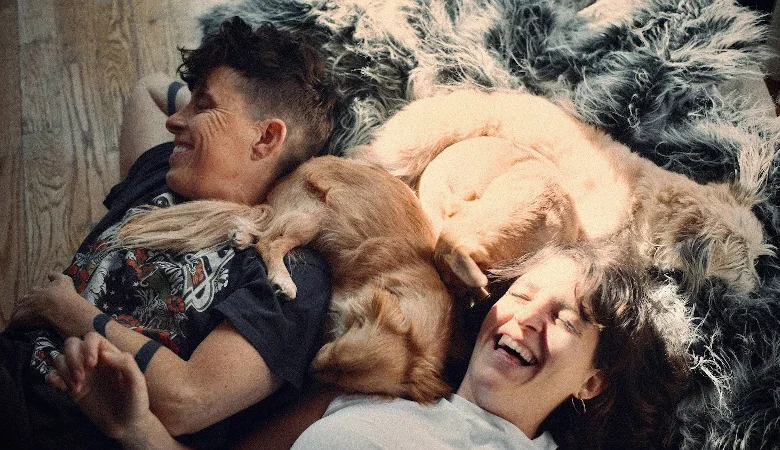
Ryan White’s film follows Andrea Gibson through their final year alongside partner Megan Falley. The project builds toward Gibson’s last live spoken-poetry performance even as treatments, tests, and rising cancer markers appear throughout the record of daily life. Cinematographer Brandon Somerhalder renders the Colorado landscape and the couple’s Longmont home in a soft luminosity; the film also leaves space for Megan Falley’s quiet grief.
Those involved with the project emphasize several recurring choices: the decision not to personify cancer as a villain, the aim to preserve Gibson’s complex mix of humor and humility, and the attempt to hold both exhaustion and joy on camera. Willen described the effect of Gibson’s approach to death as one that invited living—“it made them calm, ” Willen said—while Hargrave noted Gibson’s intention that the film show appreciation without simplification.
Critical Analysis and a Call for Transparent Commemoration
Verified fact: the documentary premiered at Sundance 2025 and was released before Gibson passed away in July of that same year. The film’s nomination places private mourning under institutional scrutiny; the group creating the film has found catharsis in sharing Gibson’s life while audiences respond with their own experiences of illness and grief.
Analysis: When a deeply personal portrait becomes subject to awards and public ritual, the choices made by filmmakers and participants matter. The decision to preserve unvarnished moments—fear, exhaustion, humor—pushes against a tendency toward canonization that can flatten a life into a single tone. The film’s creative team has leaned into that complexity, an editorial stance evident in the inclusion of both intimate domestic scenes and final-stage public performance.
Accountability conclusion: The circumstances surrounding Come See Me in the Good Light present a narrow, evidence-based demand for ongoing transparency from memorial projects and their broadcasters. Filmmakers and producers who shepherd private stories onto major platforms should continue to disclose editorial choices that affect how subjects are framed, and award bodies that elevate such work should be prepared to reckon with the ethical stakes of public commemoration. As Tig Notaro and others prepare for a highly visible ceremony, the question remains whether ritual will honor nuance or simplify it—and the film itself offers a model for resisting simplification while inviting collective mourning.
Final verified note: Andrea Gibson’s life, the film’s production team, and Tig Notaro’s first Oscar nomination are all documented elements of this unfolding public moment.