The Rock reveals how he shed 60+ pounds for ‘Smashing Machine’ role, something I was hungry to do

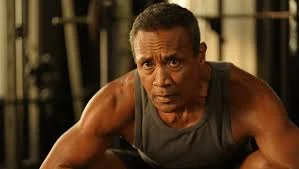
In a cramped trailer warmed by the breath of hair dryers and the scent of spirit gum, actor and producer Dwayne Johnson, the rock, sat very still while Kazu Hiro applied the 22 prosthetics that would erase his familiar movie-star face. The makeup artist worked methodically on a restructured brow, cauliflower ears and scars; a vocal coach warmed the actor’s voice nearby. This small, quiet ritual completed the physical choices that began months earlier on a gym floor and at a kitchen table.
How did The Rock transform his body for the role?
Direct, staged and intensely deliberate: Johnson committed to a two-phase plan set out after a meeting with director Benny Safdie. He first gained 25–30 pounds of muscle to match aspects of Mark Kerr’s frame, then stripped that mass away to reach the film’s darker arc, a process that resulted in a loss of more than 60 pounds. Training began in a specialized MMA camp at the Black House MMA gym and included daily, four-hour sessions focused on fight choreography, wrestling and conditioning. His diet shifted away from the many-thousand-calorie regimen he had used for previous parts to a high-protein, low-sugar plan centered on chicken, fish and vegetables.
What did Johnson say about inhabiting Mark Kerr and the film’s emotional aims?
Johnson described the work as more than physical preparation. He told collaborators he needed a day to plan his approach and returned with the two-phase strategy. He met Mark Kerr and spent time with him to understand the fighter’s experience, including struggles with painkiller addiction. Johnson said the role deepened his empathy: “It gave me a deeper level of empathy for those struggling with addiction. ” He also reflected that pursuing the film had been something he was “really hungry to do, ” framing the project as both creative risk and personal mission.
For authenticity the production layered performance choices beyond the gym. A vocal coach helped Johnson adopt Kerr’s softer speaking voice. Johnson listened to melancholic music to inhabit emotional textures, and Kazu Hiro’s prosthetic work completed the physical transformation. “By the time I got to set, I felt I was already in Mark Kerr’s skin, ” Johnson said, underscoring how those technical measures supported his portrayal.
How is the industry reacting, and what is being done beyond the film?
The performance has prompted award attention and prompted industry discussion about the toll and purpose of dramatic transformations. Johnson’s portrayal earned a Golden Globe nomination, and the film has been positioned as a tribute to fighters and friends lost to addiction. Those involved framed the movie as a way to widen public focus on resilience, recovery and the human cost of elite sport.
On the production side, the approach involved a constellation of specialists: a director who shaped the plan, an MMA camp that recreated the day-to-day rigor of a young fighter, a vocal coach who altered speech patterns, and an Academy Award–winning makeup artist who spent hours each morning building a new face. Off-screen, Johnson continued balancing other projects and family life while the film circulated through festivals and awards conversations.
Even as the transformation drew praise, the team emphasized respect for the real people behind the story. The portrayal grew from long-standing contact between Johnson and Kerr and from a determination to honor those who battled addiction within combat sports communities.
Back in that trailer as the final prosthetic was pressed in place, the light had shifted and the makeup chair felt less like a costume than a threshold. The rock—whose career has long been synonymous with a larger-than-life physique—had traded spectacle for vulnerability. Whether the film opens new conversations about addiction, recovery and the sacrifices of athletes, Johnson said, was part of why he accepted the risk. He left the trailer into a quiet set, weight transformed and resolve intact, carrying the hope that the performance would do justice to the real life it depicts.