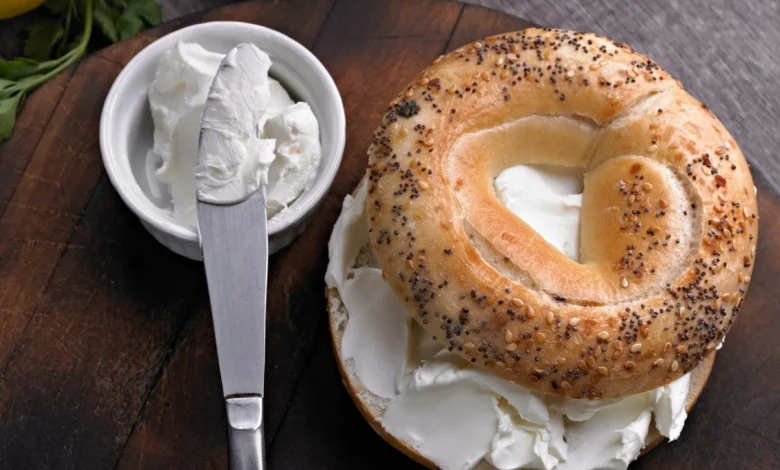
The recent fda cream cheese recall was escalated to the agency’s most serious classification after routine sampling detected Listeria monocytogenes in equipment used to produce five-pound tubs of cream cheese. The upgrade to a Class I designation signals a reasonable probability that the products “will cause serious adverse health consequences or death, ” and has prompted the manufacturer to halt use of the contaminated mixer and request customers return affected tubs for a full refund.
Fda Cream Cheese Recall: What was recalled and why
Made Fresh Salads, Inc. issued the recall covering fourteen flavors packaged in five-pound white plastic tubs, including Whipped Cream Cheese, Vegetable Cream Cheese and flavored varieties such as Apple Cinnamon, Blueberry, Garlic & Herb, Jalapeño, Lox, Scallion, Strawberry, Sundried Tomato, Walnut Raisin and Tofu Whipped. The company is based on Long Island and distributed the product to retail stores and distributors in New York City boroughs including Brooklyn, Queens and the Bronx. The recalled tubs carried expiration dates through February 27.
The recall followed a routine sampling program in which a portion of the mixer used to make the cream cheese tested positive for Listeria monocytogenes; the company stopped using the contaminated mixer immediately. Consumers who purchased the affected product were advised to stop consumption and return the containers for a full refund. At the time of the company notice, no illnesses had been reported.
Expert perspectives on the fda cream cheese recall
The Food and Drug Administration escalated the recall to a Class I classification, explaining that a Class I recall is issued when there is a “reasonable probability” that the product “will cause serious adverse health consequences or death. ” That language underscores the public-health seriousness the agency attaches to confirmed Listeria contamination in ready-to-eat dairy products.
Made Fresh Salads’ recall announcement explained that healthy people infected with Listeria may experience short-term symptoms such as high fever, abdominal pain and diarrhea. The company noted the pathogen can have more severe or fatal outcomes for young children, older adults and people with weakened immune systems, and that pregnant people infected with Listeria monocytogenes face elevated risks including miscarriage and stillbirth. Those statements frame the clinical risk profile that prompted rapid escalation of the recall.
Regional and public-health implications
The fda cream cheese recall narrows quickly to a defined geography—distribution was limited to New York City area retail stores and distributors—yet it raises broader questions about routine environmental monitoring and equipment sanitation in small-scale food production. The contamination was identified through the producer’s sampling program rather than after linked illnesses were reported, which demonstrates the preventive potential of such testing but also spotlights how a single contaminated component of production equipment can trigger a wide recall affecting multiple flavors and inventory batches.
Public-health implications hinge on two intersecting facts: the Class I designation reflects a high level of risk, and the recalled product was sold in large five-pound tubs that may remain in commercial freezers or food-service operations past the listed expiration date. Even though no illnesses had been reported at the time of the announcement, the agency’s classification signals that health authorities consider exposure to this contaminated product potentially severe. Consumers and distributors have been urged to return affected tubs for full refunds to remove them from circulation.
Operationally, Made Fresh Salads’ decision to stop using the contaminated mixer and remove it from service represents a necessary containment step; the challenge for inspectors and buyers now is confirming that remediation and sanitation measures prevent recurrence and that any remaining inventory is accounted for and secured.
As regulators and the producer continue oversight and corrective action, the fda cream cheese recall leaves a practical question for food-service operators, retailers and consumers alike: will routine sampling and equipment controls be strengthened across similar producers to reduce the likelihood that a single contaminated mixer leads to a Class I-level outbreak in the future?