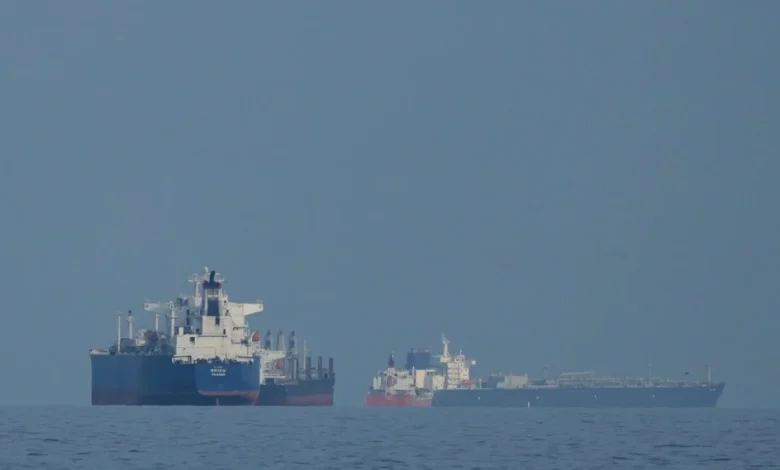
The stench of diesel hangs over a Gulf port as crews count losses and adjust schedules; marines are discussed in anxious corridors but no new escort is in place. The Strait of Hormuz remains effectively closed by Iran, three commercial vessels have been attacked near the waterway, and the prospect of safe passage for oil ships has turned into a daily gamble for seafarers and energy planners.
Why is the US military “not ready” to escort ships through the Strait of Hormuz?
Energy Secretary Chris Wright, speaking in his official capacity as US Energy Secretary, said that escorting oil ships “can’t happen now” because the United States is not prepared to divert military assets. “We’re simply not ready. All of our military assets right now are focused on destroying Iran’s offensive capabilities and the manufacturing industry that supplies their offensive capabilities, ” Wright said. He framed the campaign as aiming to “permanently destroy” Iran’s ability to build missiles, roads and a nuclear programme, and characterized current market turmoil as “short-term disruption” lasting “weeks, not months. “
Will Marines escort oil tankers through the Strait of Hormuz?
Plans or suggestions that marines or other military forces might accompany commercial shipping have surfaced in public statements by political leaders, but the operational picture is different. Wright noted that the military is prioritizing operations against Iran’s offensive infrastructure and therefore cannot mount an escort effort now. Earlier public assertions that a US naval escort had already moved through the strait were retracted: Wright posted that an escort had occurred and then deleted the post, and the White House confirmed the claim was not true. It remains unclear why the announcement was released and then pulled back, leaving crews and charterers without the reassurance of a confirmed military escort.
What are Iran’s actions and how are markets and crews responding?
Mojtaba Khamenei, Iran’s new supreme leader, wrote that “The tactic of closing the Strait of Hormuz must also continue to be used, ” framing the closure as a deliberate wartime measure. The Iranian military stated it would “welcome” the US Navy escorting oil ships, while also suggesting it stood ready to strike US forces in the narrow waterway. Attacks on three commercial vessels near the strait have punctured confidence, and the closure combined with strikes on oil installations across the Gulf has pushed prices sharply higher: the price per barrel peaked from prior levels and has since fluctuated in a wide band.
The United States, described in the context as one of the world’s largest oil producers and largely self-sufficient, faces uneven effects: domestic supply cushions home markets while possible shortages in Asia and Europe exert upward pressure on global prices. Wright characterized the current phase as “short-term pain for long-term gain, ” an assessment that links battlefield objectives to market outcomes and leaves commercial actors to absorb near-term risk.
President Donald Trump has publicly asserted that the United States benefits from higher oil prices, a political observation that has figured in public debates about how and when to reopen the strait. Meanwhile, shipping companies and crews confront the reality that promises of protection are conditional and, for now, operationally constrained.
Back at a Gulf loading berth, supervisors revise manifests and captains weigh whether to seek alternate routes or wait out the closure. The social and economic costs are stacked across geographies: crews who face immediate danger, exporters and refiners managing disrupted flows, and consumers in distant markets feeling the price ripple. Institutional voices—Energy Secretary Chris Wright and Iran’s supreme leader Mojtaba Khamenei—frame the impasse in strategic terms, while the human toll plays out in port offices and on the decks of ships.
As the sun sets over a waterway that has become a frontline, the question of who will escort oil ships remains unresolved. The absence of a ready escort, the deleted claim of a prior escort, and continued attacks near the strait leave seafarers and markets exposed; the scene at the port returns with a new meaning: strategic choice on land has translated into immediate risk at sea, and for now the crews who load and move the world’s oil are left to wait for a clearer sign that escorts—be they naval ships or marines—will arrive.