Australian Fuel Supply: A Queue at the Bowser and a State’s Push to Ration for Regional Lifelines

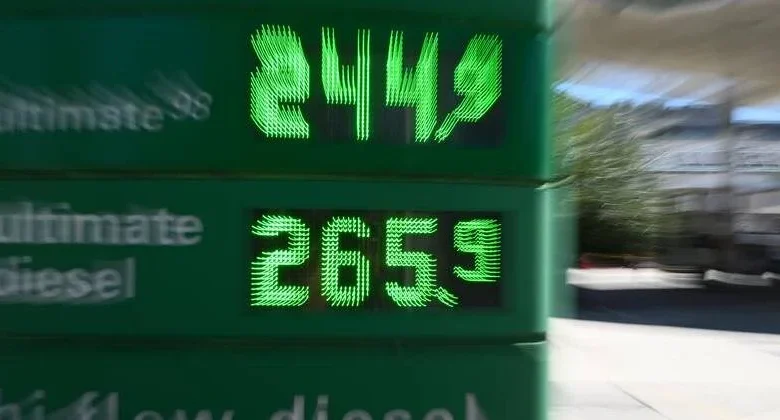
At a suburban bowser, drivers check gauges and calculators as anxiety creeps into routine errands — the strain on the australian fuel supply has translated into visible queues and hurried decisions. Officials are urging calm, even as governments and industry prepare measures they say are meant to keep fuel flowing to the regions.
What is happening at the pumps?
Pressure on retail forecourts has risen amid global disruptions that have tightened markets. The Premier of New South Wales, Chris Minns, said, “Global events are putting pressure on fuel markets around the world and we are making sure NSW is prepared as we can be and well co-ordinated if those pressures continue. ” He added, “I appreciate this is a stressful time for everyone but it’s important people don’t buy more fuel at the bowser than they need. “
Those calls for restraint come as voices inside politics and industry debate active measures. One Nation MP Barnaby Joyce described the situation bluntly: “It is a crisis. ” He emphasised that “trucks had to be kept moving to ensure food remained on supermarket shelves and other vital services maintained. ” The consumer watchdog has instructed fuel retailers to respond to claims they dramatically hiked petrol and diesel prices soon after the conflict began, signalling scrutiny of retail behaviour while supply questions persist.
How will Australian Fuel Supply be protected for regional communities?
State and federal actions are orienting toward protecting communities outside major cities. The federal government will release up to 762 million litres of petrol and diesel from emergency reserves to address shortfalls beyond Australia’s cities. At the state level, New South Wales will convene an urgent roundtable that brings together representatives from transport and logistics, fuel, agriculture, local councils, mining, unions and consumer protection groups to share information and coordinate responses.
Danny Kreutzer, managing director of Westlink Petroleum, which services 500 businesses, described the immediate impacts on his company: “We’ve got a lot of angry customers that want their fuel. A lot of them have been pretty good to deal with and understand the situation we’re in. ” He warned that wholesalers and oil companies are struggling to set prices because they “don’t know whether they’re making money or losing money, ” underlining the volatility that complicates reserve releases and rationing decisions.
Who is meeting and what are the options on the table?
The upcoming roundtable will bring government officials together with industry stakeholders to map responses should pressures continue. Participants are drawn from multiple sectors so that planners can weigh supply, transport needs and essential services simultaneously. One option raised publicly is urban rationing to ensure allocations can be prioritised for regional areas that rely on long-distance road freight and have fewer local supply alternatives.
Context for the disruption is international: Iran has closed the Strait of Hormuz in response to the US-led war launched against it, a move that the state says has contributed to a global shortage and sharp price rises. Within that volatile backdrop, state officials stress coordination; industry leaders warn of shortages for customers and businesses; and parliamentarians press on the need to keep freight moving.
Those at the roundtable will also be asked to consider enforcement and transparency measures. The consumer watchdog’s action to compel retailers to explain recent pricing shifts signals one route to deter opportunistic markups at a time when consumers and businesses alike are sensitive to both availability and cost.
Back at the bowser, drivers who once took refuelling for granted weigh each decision. The federal release of emergency reserves and the NSW roundtable aim to blunt immediate shocks, but the real test will be whether rationing, logistical prioritisation and clearer retail oversight can steady supplies and prevent regional shortages. For now, with queues still forming, residents watch and wait as authorities and industry try to keep the wheels of supply turning and protect the australian fuel supply.