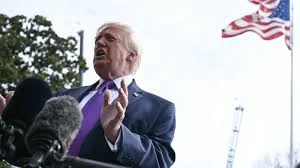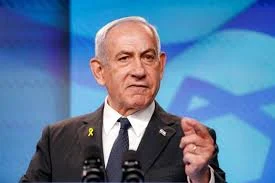
In a fluorescent-lit press room, the prime minister gestures mid-sentence and a single frozen frame does the rest: a hand that, at a glance, looks like it carries an extra finger. That still has been spun into the online question is netanyahu dead, a viral thread that mixes visual nitpicking, old rumours about leadership status and fresh anxieties about synthetic media.
Is Netanyahu Dead? What does the clip actually show?
The short clip at the center of the debate captures Benjamin Netanyahu speaking on the conflict with Iran. In one magnified frame, viewers pointed to what appeared to be six digits on his left hand; elsewhere, commentators noted changes in perceived hair colour, dental alignment and a momentary blink around his ears. The conjecture fed chatter that the footage had been generated or altered by artificial intelligence.
Experts examining the footage questioned that conclusion. Analysts and fact-checks say the most likely explanations are ordinary motion blur and compression artefacts: when a hand moves quickly, still frames can briefly show doubled or merged shapes that look like extra fingers. No credible AI analysis has concluded the clip itself is synthetic, and new footage released later by his office was cited to show continued public appearances.
Why are viewers saying his hand looks odd?
Digital glitches that create duplicated or distorted digits are a known flaw in some AI-generated images, which is why a frame showing an apparent extra finger quickly became focal. But viewers who examined the full video frame by frame noted that the hand moves rapidly during the address and that ordinary video compression can create brief illusions of extra contours.
For many, the image touched a broader nerve. The clip surfaced against a backdrop of earlier rumours about the prime minister’s status in the escalating conflict, and past episodes in which public figures were subject to ‘replacement’ theories after unusual appearances have left audiences primed to read anomalies as evidence of deception rather than technical artefact.
Who is checking the video, and what are they saying?
Specialists and technologists have taken up the issue. Olivier Rimmel, a French technologist named in public discussion, created an app to evaluate whether the footage could be AI-generated and wrote: “What I can already say at this stage is that it’s not impossible for an AI to have produced this video. ” His comment reflects a cautious stance that does not assert fabrication but flags the theoretical capability of synthetic tools.
Other analysts emphasised ordinary explanations: motion blur and compression can create doubled edges that mimic an extra digit in a still frame. Meanwhile, an Iranian state-linked outlet had claimed the leader may have been injured or killed in a strike; that claim was never verified and was rejected by Israeli officials. In the days following, the prime minister continued issuing public statements on military operations and appeared in additional videos released by his office.
The episode also recalls an earlier wave of replacement theories about a different public figure whose appearance prompted similar speculation; those rumours faded after additional footage and direct statements from representatives. Here again, the mix of an unusual image, high anxiety around conflict, and growing public familiarity with deepfakes has produced a rapid spread of conjecture.
What is being done to address the chatter is both technical and communicative: technologists are applying detection tools and building evaluative apps, while officials and the prime minister’s office have continued to publish fresh video statements to demonstrate presence and continuity. The combination aims to blunt both technical doubt and the social momentum of rumour.
Back in the press room, the gesture that started the story is the same small human motion it always was, but now it sits inside a larger narrative about trust in images and leaders. The visual oddity remains explained by plausible technical causes, yet the question is netanyahu dead continues to resurface as a shorthand for public uncertainty — a reminder that in times of conflict, a fragment of a frame can become a story that must be addressed both by pixels and by people.