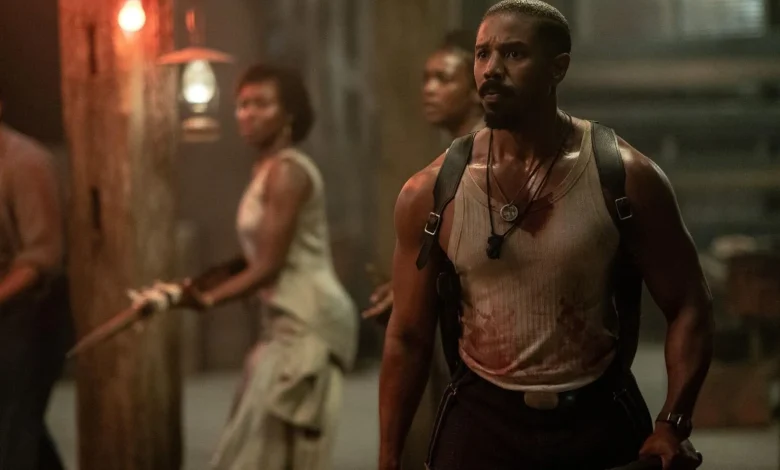
In the tense hush of awards week, with ballots closing and campaigns humming, one battle after another has been fought in screening rooms, guild meetings and critics’ chats — all focused on whether Paul Thomas Anderson’s film will hold off a late charge from Ryan Coogler’s Sinners. The atmosphere feels less like a pageant and more like a season of small, decisive clashes.
Why is One Battle After Another the frontrunner?
Paul Thomas Anderson’s film has been gathering the kind of momentum that matters in Oscar season. It won a Golden Globe in its category and carried off major precursor prizes, including a Bafta and the Directors Guild Award, giving it a sweep of the awards circuit that often predicts Academy success. The film’s blend of political urgency, comedy and a father-daughter storyline is cited as a reason for its appeal, and many critics’ organizations and craft guilds have praised the work.
“One Battle After Another has been lauded by so many critics’ organizations and craft guilds that experts and prediction markets alike still have it as the easy favourite, ” said Adam Nayman, film critic. That catalogue of wins is precisely the kind of proof that turns nominations into inevitabilities — or so the conventional wisdom holds.
Can Sinners overtake One Battle After Another — and why some think it will?
Sinners has been closing the gap. It picked up major prizes at recent guild ceremonies and high-profile actor awards, and its box-office reach and critical embrace have made it a formidable challenger. One critic offered a forecast that Sinners might overtake Anderson’s film at the final hurdle, noting its growing goodwill and momentum from actor-centered wins.
Box-office strength and momentum from acting prizes have a history of reshaping late betting lines. For proponents of Sinners, its populist reach and recent string of wins make the film the picture to beat despite the precursor sweep behind One Battle After Another. That contest has given the race an almost week-by-week volatility rarely seen so close to the ceremony.
What else is at stake — controversies, careers and predictions
The narrative around One Battle After Another is not purely celebratory. Some commentators have raised concerns about parts of its depiction of black women, a controversy that has complicated the film’s awards calculus even as its director accumulates honors. The controversy sits alongside a more human storyline: in a career that spans celebrated films, Paul Thomas Anderson has not yet won an Academy Award despite many nominations, and a win would answer a long-running arc in his professional life.
“It takes a great director to do what he does in One Battle After Another, pulling together many strands into a single enthralling film, ” wrote a critic identified as CJ, offering a view on why a win would be a capstone rather than mere timing. At the same time, voters appear to be weighing artistic ambition against accessibility and the ethical questions raised by the film’s depiction of certain characters.
The rest of the field matters too: Hamnet figures prominently in acting predictions, with Jessie Buckley widely expected to claim best actress, and performances across contenders have shifted the conversation away from a simple two-way race. Teyana Taylor’s turn in One Battle After Another has been cited as one of the standout supporting performances deserving recognition.
What is happening now is familiar: precursor awards have built narratives for nominees, while late-stage reactions to controversies and box-office performance are rewriting them. Campaign teams and guild voters continue the work of persuasion in the final days, and that activity can still pivot outcomes.
Back in the hush of awards week, the film that began as a frontrunner waits under the same bright lights that made it visible: wins in hand, critiques aired, and one battle after another remaining between it and the Academy’s final vote. Whether the night will reward precursors, momentum, or a corrective to controversy is the question that will only be answered when the envelopes are opened.