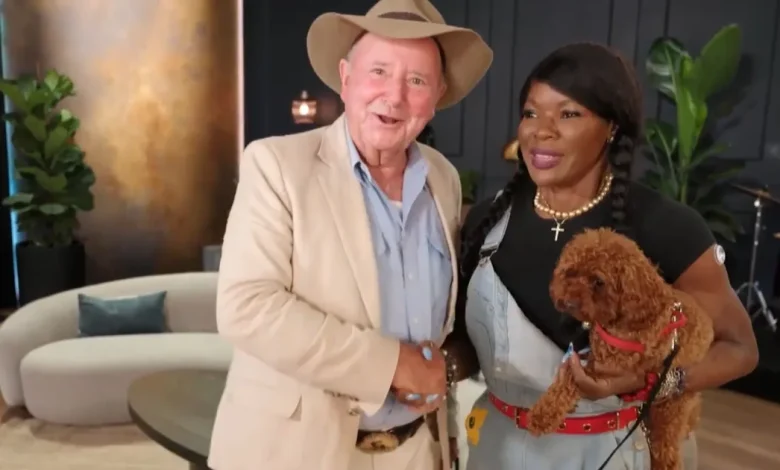
Marcia Hines has turned to Dr Harry after her puppy Brother repeatedly ignored recall commands, prompting an on-site visit to the Idol set to address a common training problem.
Trend Analysis: What Marcia Hines’ Visit Reveals
The incident highlights a recurring pattern in household puppy training: well-intentioned human behaviour can create confident but disobedient dogs. In this case, the puppy, Brother, has learned that his name alone does not require a return. The response from people on the set—frequent cuddling, being picked up and near-constant attention—has reinforced the puppy’s freedom to ignore recall attempts. Dr Harry identified two linked issues: how the dog has been rewarded by group adoration, and how inconsistent human responses have weakened the meaning of a verbal recall.
What Happened When Dr Harry Met the Puppy
Dr Harry made an unusual house call to assess the behaviour directly. He recommended immediate adjustments to the recall cue and introduced a high-frequency dog whistle as a training tool. The key elements demonstrated were:
- Make the command meaningful: prefix the dog’s name with the command word so the recall becomes “come, [name]” rather than calling the name on its own.
- Introduce a consistent signal: use a whistle because it carries farther, is repeatable and avoids the emotional tones owners can bring when shouting across a park.
- Follow a gradual process: start with the sequence “come, [name], whistle, ” transition to “come, whistle, ” and eventually rely on the whistle alone.
- Reinforce every success: reward the dog on return—Dr Harry used treats during the demonstration to make coming back the best option.
- Control both lead and people: keep the dog on lead while shaping behaviour and manage well-meaning people whose attention may be undermining training.
Dr Harry emphasized that the whistle is not an overnight fix; consistency and patience are required for the association to form and hold.
Forward Look: Practical Steps for Owners
For owners observing this demonstration, the practical takeaway is a compact training sequence that focuses on clarity, consistency and reward. Start every recall with the command word before the name, use a consistent auditory signal if distance or distraction is an issue, and make each successful recall worth the dog’s while. Simultaneously, manage the environment—keep the dog on lead during training sessions and ask friends or colleagues to refrain from undermining commands with excessive attention.
Applied consistently, the method shown by Dr Harry converts a name that once meant nothing into a reliable cue, and turns returning to the owner into the clearly better choice for the dog. That simple shift in how people respond—less permissive doting, more structured reinforcement—was the inflection point that brought Marcia Hines