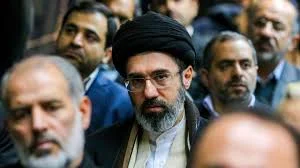
Ayatollah Mojtaba Khamenei has delivered his first public remarks as iranian supreme leader, calling for national unity and ordering US bases in the region to close or face attacks. The message was read out by a newsreader while Khamenei was not seen on screen, and it declared the Strait of Hormuz will remain closed to put pressure on Iran’s enemies. The statement arrives as strikes have escalated: two tankers were set ablaze in Iraqi waters, one crew member was killed, and shipping and oil markets have been jolted.
Immediate reactions to Iranian Supreme Leader statement
Officials and agencies across the region and beyond reacted within hours. Chris Wright, US Energy Secretary, said the navy cannot escort ships through the Strait of Hormuz now but that it is “quite likely” that could change by the end of the month. A spokesperson for Iran’s military command warned: “Get ready for oil to be $200 a barrel, because the oil price depends on regional security, which you have destabilised. “
Badr bin Hamad Al Busaidi, Oman’s Foreign Minister, told reporters he believes the United States will not achieve as much through war as it could have in peace talks and questioned the premise driving the military campaign. John Healey, UK Defence Secretary, linked battlefield tactics to external influence, saying a “hidden hand” lies behind Iran’s military methods. The UN refugee agency (UNHCR) said Thursday afternoon that as many as 3. 2 million Iranians have fled their homes: “Most of them are reportedly fleeing from Tehran and other major urban areas towards the north of the country and rural areas to seek safety. “
Attack details and energy-market fallout
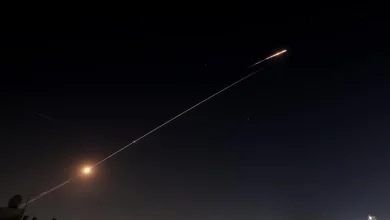
The broadcast urging unity also followed a sharp uptick in targeted strikes on oil and transport infrastructure. Iran appeared to have set two tankers ablaze in Iraqi waters, resulting in one crew member’s death, and three ships were hit by unknown projectiles in the Strait of Hormuz. A Thai bulk carrier was struck and caught fire; Thailand’s foreign ministry said it requested an apology after its crew had to evacuate the vessel.
Markets reacted violently. Earlier in the week oil jumped to nearly $120 a barrel before retreating, then rose almost 10% back above $100 a barrel and later moved to roughly $98 a barrel amid fears of a major supply disruption. Military and diplomatic briefings are underway as officials evaluate how to protect commercial shipping in the strait.
Quick context
The broadcast followed a joint US–Israeli aerial bombing campaign that has battered parts of the country and prompted widespread displacement. Iran’s statement includes pledges to avenge civilians killed in those strikes and offers of financial compensation for those who suffered damage.
What’s next
Expect immediate diplomatic outreach and security assessments in the coming days as navies, foreign ministries, and international agencies weigh options to protect shipping lanes and civilians. Watch for possible military briefings to lawmakers and further statements from regional mediators, while energy markets remain sensitive to any new disruption. The iranian supreme leader’s declaration to keep the Strait of Hormuz closed sets a clear test for military and diplomatic responses; this account is current as of Thursday, Eastern Time (ET).