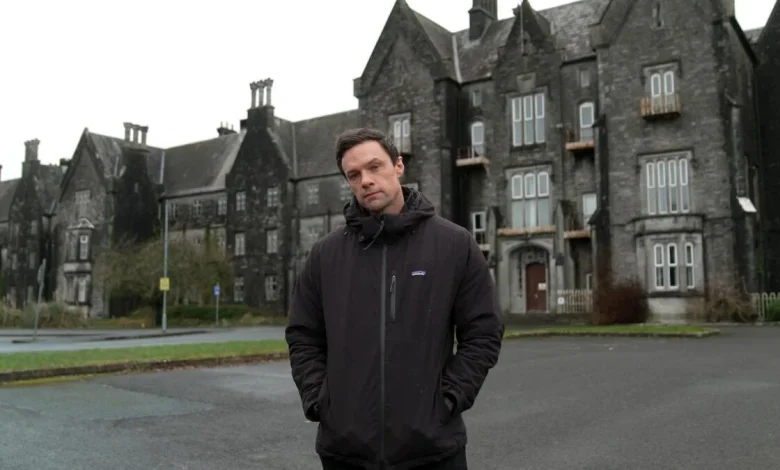
On an overgrown patch of land in Mullingar, niall breslin is part of an emotional campaign with relatives who want to restore a graveyard once dismissed and neglected as the grounds of St Loman’s Lunatic Asylum. The aim is simple and urgent: to remember more than 1300 Irish people who were buried there under numbered metal crosses without names.
Niall Breslin: What are campaigners seeking?
The campaign brings together families, local activists and former patients’ advocates to give names back to those buried in unmarked graves. Campaigners want the HSE to release the names of over 50, 000 patients recorded as buried at 18 former mental hospitals across the country so that memorial walls, marked crosses and records can restore dignity to lives erased from public view.
St Loman’s is the focal point in Mullingar where, between 1907 and 1970, people who died on site were interred with little ceremony. The site’s simple white crosses were removed in 2011 to facilitate mowing, and many graves now sit unmarked in long grass. So far, 14 families of the roughly 1, 300 buried at the facility have been able to claim graves and mark them with names.
How did families uncover the stories and who is speaking for them?
Relatives’ searches often began with a single family inquiry. Julianne Clarke, who helped found the website ‘Friends of Julie’, said the campaign began when she and her cousin tried to exhume their great-grandmother. “This whole campaign was started when Kathy and myself went to exhume our great-grandmother Julia Leonard, who was committed by her husband when she was 30 and pregnant, ” Clarke said. She recounted how Julia was taken to St Loman’s, while her children were sent to the workhouse in Trim. “She was carted off to St Loman’s mental asylum, and her children, aged between 18 months and nine years of age, were sent to the workhouse in Trim. “
Clarke described the family’s search for Julia’s grave, noting that Julia was buried with a metal cross marked only by the number 339. Eventually the family placed a white cross at the spot they believe to be her resting place and added her name. That act drew other families to do the same.
Kathy Crinion, a psychotherapist and musician who joined the effort, helped set up the website as a platform to encourage families to reach out. Her professional role informs the campaign’s emphasis on dignity and the human cost of institutional secrecy; campaigners highlight that many people committed to these hospitals were never given public recognition in death.
What actions are under way and what do campaigners ask of the HSE?
On the ground, families and volunteers are erecting crosses and documenting graves they can find. The network behind ‘Friends of Julie’ urges other relatives to visit grounds, place marked crosses and share memories. The broader demand is institutional: campaigners want the HSE to release burial records from 18 former psychiatric institutions so names can be added to memorial walls and graves properly identified.
The campaign cites the scope of the issue: centres involved span counties including Galway, Clare, Waterford, Dublin, Kilkenny, Sligo, Cork, Limerick, Laois, Carlow, Donegal, Monaghan, Tipperary, Westmeath and Kerry. Campaigners argue that people buried on hospital grounds deserve the same public recognition afforded to those in municipal cemeteries.
For Niall Breslin, the involvement is framed by long-standing advocacy on mental health and the visible grief of families who have sought answers for years. His participation has helped draw attention to a local, painstaking effort to restore names and to transform an overgrown patch of numbered crosses into a place of remembrance.
The scene in Mullingar remains unresolved: grass still grows around many markers, official records remain withheld from public view in many cases, and some families continue searching for graves that have no visible marker. Yet each white cross planted by a relative, each story told about someone like Julia Leonard, pushes the campaign forward, demanding institutional transparency and public recognition from the HSE. As the group kneels in the same soil where so many were buried without names, niall breslin and those families press for a future in which these lives are spoken aloud and properly remembered.