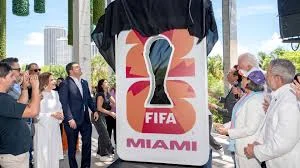
miami stands to benefit from hosting seven FIFA World Cup matches and more than 30 days of citywide activation, a moment local organizers describe as a legacy opportunity with a projected billion-dollar economic impact. The framing comes from Alina Hudak, president and CEO of the FIFA World Cup 2026 Miami Host Committee, in a discussion with Partner Isabel Diaz and Associate Alexa Duarte of Holland & Knight focused on how the event could reshape the city’s real estate landscape.
What Happens When Miami Hosts Seven Matches?
Hudak emphasized that delivering seven matches and extended citywide programming will require building a foundation to highlight the city during the event. She described the occasion as a legacy moment for South Florida, likening the University-level and cultural exposure Miami receives from other major events to the potential lift from the World Cup. Hudak’s perspective is informed by a long career in local public service, including roles that made her the first woman city manager for the city of Miami Beach and the first woman county manager for Miami-Dade County, and participation on multiple Super Bowl host committees. The immediate state of play, as articulated in the discussion, centers on large-scale activation over more than 30 days and a projected billion-dollar economic impact tied to staging those matches.
What Forces Will Drive Real Estate Demand?
Hudak framed global exposure as a key mechanism through which the event could translate into real estate demand, investment and long-term growth across South Florida. The forces she highlighted include concentrated international attention during the activation period, the necessity of physical and promotional infrastructure to showcase neighborhoods, and the leverage that comes from hosting marquee sporting events. Partner Isabel Diaz and Associate Alexa Duarte anchored the conversation in real estate practice, exploring how citywide activation and visibility can become a catalyst for investor interest. These elements together form the channel by which an event of this scale could alter demand patterns in miami’s housing and commercial markets.
What Should Local Stakeholders Do Next?
Hudak’s account points to a few clear priorities that stakeholders can act on without delay: construct the foundational infrastructure and promotional plans that allow the city to be highlighted during the event; coordinate citywide programming so activation benefits multiple neighborhoods; and frame the World Cup as a legacy opportunity for long-term investment rather than a short-term spike. The conversation with legal and real estate professionals underscored that the work ahead is operational as much as promotional—delivering matches, staging activation across the city, and ensuring the visible benefits convert into sustainable market interest. If public leaders, developers and market intermediaries align with that foundation-focused approach, they increase the likelihood that projected economic impact will be coupled with enduring real estate gains for miami