In a surprising public re-emergence, Ronda Rousey and gina carano announced a May 16 comeback fight that both framed as more than nostalgia: a direct challenge to the business and power structures that govern mixed martial arts. The bout, headlining a card promoted by Most Valuable Promotions and to be broadcast on Netflix, pairs two pioneers who walked away from the cage and now insist this clash speaks to the future of fighter compensation and promotional control.
Background and context: Why this fight matters now
Both competitors are returning after lengthy absences: gina carano has not competed since 2009, while Ronda Rousey last fought in 2016. Their joint appearance at a pre-fight press event in Inglewood underscored the match’s unusual gravity. The five-round main event will take place at the new Intuit Dome in Los Angeles, an arena associated with the Clippers’ owner, and the card also features former heavyweight champion Francis Ngannou versus Philipe Lins.
Promotion and distribution for the event depart from the long-standing promotional pipeline. The bout is being staged by Most Valuable Promotions and broadcast on Netflix rather than inside the dominant promotion both fighters once walked through, a choice Rousey says was driven in part by financial and structural disagreements with that promotion.
Expert perspectives: What the principals are saying
Ronda Rousey, identified in event coverage as a former UFC bantamweight champion, portrayed the match as a landmark for the sport and a targeted critique of the promotion she helped elevate. She called the matchup “the biggest fight in MMA right now” and said the event represented an effort to “change the entire landscape of the sport and challenging the monolith that the UFC has become. ” Rousey sharply criticized the promotion’s compensation offer for this comeback, saying it was far smaller than what she secured for the Netflix show.
Gina Carano, a former Strikeforce star, described the return as deeply personal: “We only get to live once, and this makes me feel so alive, ” and revealed for the first time that she has married muay thai fighter Kevin Ross. Carano said she never formally retired but was persuaded to return after prolonged conversations with Rousey, who proposed the bout more than a year earlier.
Those comments framed a split in strategic approaches: Rousey sought to bring the fight to the dominant promotion first and then declined its later offer, opting instead to co-promote a pay structure she believes will be more lucrative and consistent with her aims. She also emphasized a warm personal connection with the promotion’s long-time frontman, calling him a friend and mentor even as she criticized the owner-driven corporate direction of the company.
Ripples and regional impact: The card, competitors and potential fallout
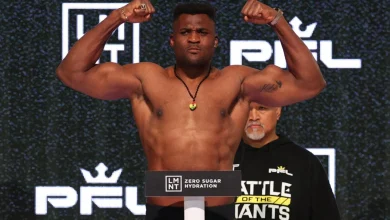
The card’s architecture compounds the story: alongside Rousey and gina carano, Francis Ngannou — identified as a former UFC heavyweight champion who recently secured his release from another promotion after a single fight — will appear in a high-profile bout. Ngannou’s presence on the card, following his exit from a different league, signals an appetite among top talents to pursue new promotional venues tied to distinct financial terms.
Rousey’s public critique focused on the shift from a traditional pay-per-view model to a streaming-centered rights deal and the associated obligations to shareholders that she says have altered priorities within the major promotion. She argued the move diminished fighter pay and autonomy, and framed her promotional move as a corrective: seeking a structure that better compensates marquee talents for rare comeback events.
For regional promoters, broadcasters and fighters, the match is a live test of whether high-profile names can generate revenue and attention outside the long-dominant platform. The event’s placement at a major new arena in Los Angeles and its Netflix distribution will provide measurable comparisons to the metrics that once defined pay-per-view success.
Will the fight, positioned by Rousey as a challenge to entrenched corporate power, shift bargaining dynamics for top fighters or remain an isolated high-profile exception? The outcome on May 16 will offer concrete audience, revenue and contractual data that other fighters and promoters are likely to scrutinize closely.
As both women step back into competition, the match is simultaneously a personal comeback for gina carano and a broader test of whether elite fighters can reshape the sport’s commercial center of gravity — and whether that reshape will benefit fighters or only rearrange promotional power.