Don’t Forget Tibet on 67th Anniversary: Detentions, Exile Solidarity and Calls for Accountability

On the 67th anniversary of the 1959 Lhasa uprising, tibet is once again the focus of competing narratives: exile communities commemorated the events in Dharamshala while international human rights advocates urged scrutiny of detention and assimilation policies inside the region. The Kashag framed the anniversary as a tribute to martyrs and a reaffirmation of cultural resilience; human rights bodies highlighted documented cases of arbitrary detention, disappearances and deaths linked to political repression.
Tibet: Anniversary gatherings and official statements
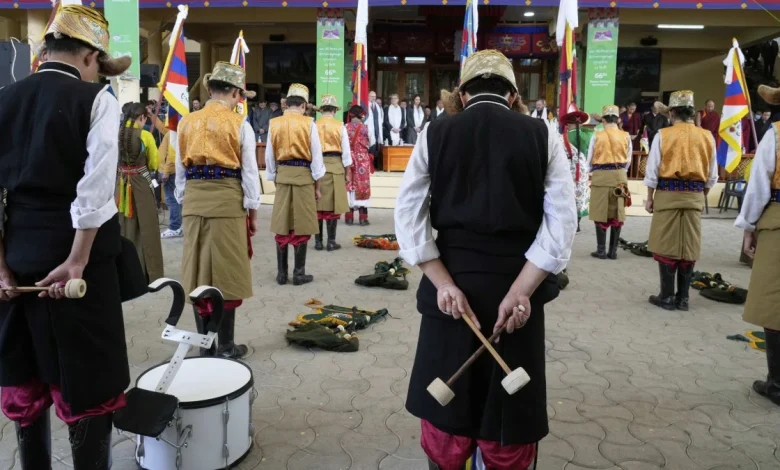
The anniversary observances brought together Tibetans in exile and supporters from across the world. Participants met at the main Tibetan temple, with delegations and support groups arriving from more than 37 countries and a separate meeting concluding with over 120 participants representing 32 countries. The Kashag, Central Tibetan Administration, used the occasion to “pay its deepest tribute to all the martyrs who made the ultimate sacrifice for the sake of Tibet, its faith, and its people, and [to] stand in unwavering solidarity with our brothers and sisters inside Tibet. ” The message emphasized compassion and cultural preservation amid what the Kashag described as relentless oppression.
Crackdown documented: detentions, disappearances and cultural policies
Human Rights Watch documented a pattern of politically motivated enforcement in the past two years. In 2024–25 the organization recorded 45 politically motivated detentions, including 19 Tibetans punished for sharing information abroad or possessing material related to the Dalai Lama. At least 15 cases were identified as enforced disappearances, and among the 45 detentions two individuals died in custody while two others died shortly after release. Four senior religious figures were detained, highlighting pressures on religious education and institutions that teach the Tibetan language.
The Kashag described expansive state policies it says target cultural identity, citing large-scale forced relocation and labour transfer programs and the placement of around a million Tibetan children in boarding schools where Tibetan language instruction is reportedly restricted. Specific incidents cited in recent years included mass arrests linked to protests over development projects, detention following demonstrations against a dam in Sichuan, and arrests tied to opposition to renewed mining activities.
Expert perspectives and exile mobilisation
Human Rights Watch called on world leaders to confront what it termed the Chinese government’s “enforced silence” around these abuses and to press for information about the detained, accountability for deaths in custody, and meaningful international access to the region. The Kashag stressed that the anniversary is an occasion for both remembrance and global appeals, framing resistance as rooted in compassion and a determination to preserve national identity.
Gunto Colonia, Representative, Associazione Italia-Tibet, described the international coordination in Dharamshala: “We have had an international meeting of Tibet support groups for the last three days. This is the year of the 90th birthday of His Holiness, the year of compassion. They organised this meeting, and there are representatives here of Tibetan support groups from all over the world… We are here to speak about how to continue supporting the Tibetan people and how we can contribute in our own way in our countries to the resolution of the Sino-Tibetan conflict. ” The gathering underlined exile-led strategy discussions and a push for sustained global advocacy.
Regional and global repercussions
The convergence of documented human rights concerns and visible exile mobilisation has broader diplomatic and regional implications. International delegations and organised support groups used the anniversary to coordinate campaigns designed to keep the issue on foreign policy agendas. The mix of documented detentions, enforced disappearances, and policies affecting education and relocation raises questions for governments and multilateral bodies that the Kashag and rights organizations say should be addressed through diplomatic pressure, greater access, and independent investigation.
At the same time, the prominence of exile commemorations in Dharamshala underscores how the Tibetan cause continues to operate through transnational networks, religious institutions, and civil society actors who seek both to memorialize 1959 and to translate that memory into political and humanitarian demands.
As anniversary ceremonies close and international participants return to their capitals, the central question remains unresolved: will the momentum from this commemoration prompt sustained international mechanisms for transparency, access, and accountability for those detained and disappeared in tibet?