Travis Dhanraj to Testify Before Parliament — Inside One Journalist’s Fight to ‘Paint a Better Picture’

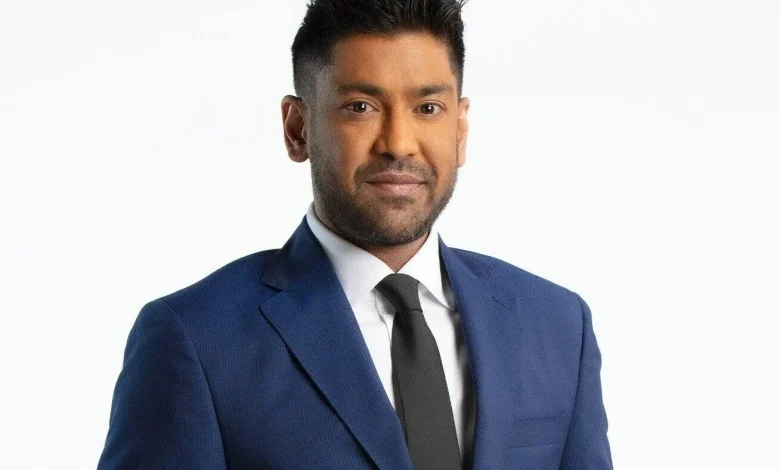
In a small hearing room that usually smells of coffee and paper, travis dhanraj prepares to speak about a career turned public controversy. He has said his testimony will “paint a better picture about what happened inside the CBC, ” and he arrives with a human rights complaint, a public resignation he calls “forced, ” and a promise to name names before a parliamentary committee studying fairness in the media.
What will Travis Dhanraj tell the committee?
The former “Canada Tonight” host is slated to appear before the Standing Committee on Canadian Heritage as part of its study on fairness in the media. He has made clear he intends to describe internal decisions and to identify individuals he believes were involved in the events that led to his departure. Dhanraj has said that, while the ongoing human rights case limits what he can share, he plans to present facts that “paint a better picture about what happened inside the CBC. ” He has also publicly challenged the national broadcaster to livestream the hearing and released a video on his YouTube channel outlining his intention to speak candidly.
Why did travis dhanraj resign, and what does his complaint allege?
Dhanraj resigned in July 2025 and filed a complaint with the Canadian Human Rights Commission alleging discrimination, harassment and bullying as a person of colour. In that filing he described being treated as the “token” brown journalist and said his editorial independence was limited. He alleged bullying and harassment by two other on-air anchors, naming David Cochrane and Rosemary Barton, and said that management “enabled” that behaviour. The complaint recounts requests for a Diversity, Equity and Inclusion investigation in February 2024 that were sidelined; management, the filing says, accused him of being on a “crusade” and told him to “work within the system. ” The national broadcaster has denied all accusations.
How does this single case connect to broader questions about media fairness?
Parliamentary scrutiny of media fairness frames Dhanraj’s appearance not just as one host’s grievance but as material for a wider study. His allegations — limitations on guest selection, claims of unequal access to leading speakers and opportunities, and what he describes as a toxic work environment — intersect with the committee’s inquiry into editorial independence and equitable workplace practices. The Standing Committee on Canadian Heritage will hear these firsthand accounts as it examines whether current newsroom structures and corporate decisions protect or hinder fairness in public-interest broadcasting.
Voices already shaping the public conversation include Dhanraj himself, who has used the terms “forced” and “token” to characterize his experience, and his filing with the Canadian Human Rights Commission, which frames the matter as one of discrimination and workplace process. The broadcaster maintains its denial of the claims, and the committee’s study provides the institutional venue where these conflicting accounts will be scrutinized.
What is being done, and who is responding?
Dhanraj has pursued a human rights complaint and accepted the committee’s invitation to testify as part of its study on fairness in the media. The parliamentary scrutiny represents a formal avenue for airing his allegations and for lawmakers to question practices at a national broadcaster. The complaint cites previous internal requests for a Diversity, Equity and Inclusion investigation; its account says those requests were not acted on as he expected. The broadcaster has publicly rejected the allegations, and the committee will hear testimony that could influence future oversight or policy discussions.
The hearing itself has attracted attention, and some media outlets plan live coverage; Dhanraj has openly invited the national broadcaster to livestream his testimony. For his part, he says the hearing is an opportunity to move the conversation from private grievance to public examination and to “paint a better picture” of newsroom dynamics.
When the session ends and the microphones are switched off, the details Dhanraj delivers to the committee will shape both his ongoing human rights process and broader debates about how public broadcasters handle diversity, editorial control and staff disputes. Whether the testimony leads to investigations, policy changes, or legislative attention will depend on what is revealed and how the committee frames its next steps.
Back in the quiet of the hearing room, the scene has shifted: documents stacked, cameras poised, and one former host ready to speak under oath. For travis dhanraj the moment is both personal reckoning and a public test of media institutions; the committee’s response will determine whether his attempt to pull back the curtain changes the way the industry is seen.