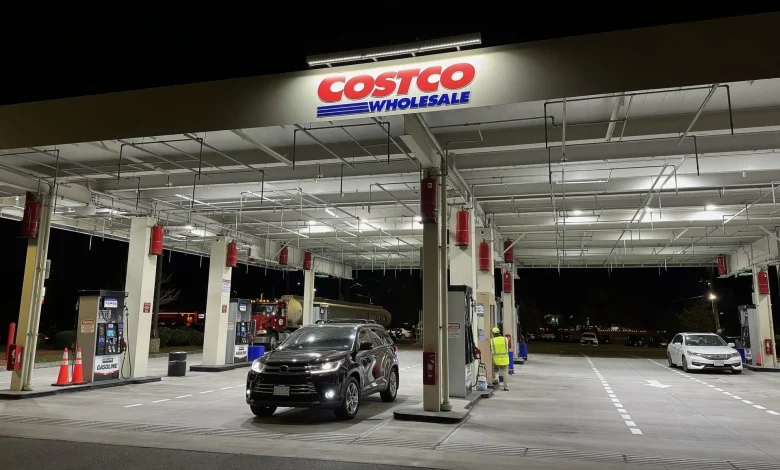
On an overcast afternoon, a cluster of cars idles around the warehouse loop while a young mother checks her phone between fills, scanning prices and calculating whether the weekly grocery run will stretch. The display on a nearby sign shows one more reason drivers circle the lot: costco gasoline is still cheaper than the corner pumps. That single, visible number is threaded through shoppers’ daily choices and through a quieter corporate push inside the warehouse.
Why is Costco Gasoline suddenly in focus for investors and shoppers?
The pump price has become a spotlight for both customers and markets as broader gasoline benchmarks have jumped. A weekly surge in U. S. benchmarks has intensified comparisons, pushing price-sensitive drivers to seek value at big-box pumps. When the warehouse undercuts local stations, members often respond by filling up and then making in-warehouse trips that can lift sales of staples and disposable items for the same visit.
For Canadian households and other cross-border observers, a lower pump price shortens the path to membership payback, and for shareholders the gas spread versus street prices is a signal watched for short-term traffic and longer-term same-store sales patterns.
How is AI changing the Costco experience — at the pump and the pharmacy?
Costco has rolled out artificial intelligence tools in places customers rarely see. The company has integrated AI into its pharmacy inventory system so the technology can compare prescription pricing across vendors and predictively reorder medications. The December 2025 earnings call showed that automation lifted pharmacy in-stock rates to over 98 percent, a figure that helps protect margins and keeps front-line services reliable.
The same logic is being tested at fuel islands. Managers are trialing AI to optimize inventory and predict fuel demand so lines move faster and prices remain anchored. Inside the building, pre-scan technology is another layer: Ron Vachris, CEO of Costco, noted that locations using the pre-scan system have seen checkout speeds improve by up to 20 percent. Faster throughput across pharmacy, registers and pumps reduces friction that can otherwise erase the benefit of low nominal prices.
What does this mean for members, margins and everyday wallets?
Fuel is a traffic driver with thin unit margins. When pump prices surge broadly, a competitive Costco pump can pull incremental trips, but higher wholesale costs can squeeze near-term fuel margin even as visits rise. That dynamic may push shoppers toward staples and private-label packs if discretionary spending tightens.
On the human level, the visible savings at the pump—the very costco gasoline number on the sign—translates into small, weekly relief for families balancing food, medication, and commuting costs. For the business, using AI to reduce stockouts, speed checkouts and better predict demand is an effort to keep overhead low so the company need not pass rising costs directly to members.
What responses are under way inside the company and the market?
Internally, the rollout includes pharmacy discount programs tied to the inventory automation and pilot programs that pre-scan baskets at the door. Leadership frames the technology not as margin expansion for shareholders but as an efficiency tool that preserves the low-price promise. Externally, investors are tracking fuel spreads, gallons sold and membership trends to gauge whether pump pricing converts to broader retail strength or merely shifts the mix toward staples.
Public commentary around earnings and market moves has kept operational details in view: the combination of predictive ordering in healthcare and demand-forecasting at pumps is meant to smooth services that matter most to members and to blunt volatility that can hurt both shopping behavior and quarterly results.
Back at the pump loop, the young mother finishes her fill, pockets her receipt and heads inside with the stroller. That brief, everyday exchange—fuel bought economically, a quick stop for essentials—captures the aim of the quiet investments: align technology with the small decisions people make each week. As price swings continue to test shoppers’ patience, the question lingers whether faster checkouts, fuller pharmacy shelves and smarter fuel forecasting will keep that small relief in place or simply postpone the moment margins and market cycles catch up.