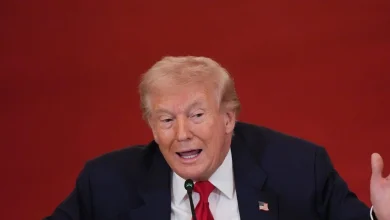
In remarks carried by Iranian media, iranian president Masoud Pezeshkian apologised to neighbouring countries and said they would no longer be targeted unless an attack originated from there, a move framed as both concession and calculation amid a widening regional confrontation.
Iranian President: What did he say and what does it mean?
Masoud Pezeshkian announced that Iran’s interim executive council had approved a motion to stop strikes on neighbouring states unless those states themselves launched attacks against Iran. He apologised to neighbouring countries for recent strikes and stressed a commitment to international law and humanitarian frameworks, declaring that unconditional surrender was “a dream” that would not be accepted. The statement framed the change as a limit on attacks while preserving Iran’s stated right to defend itself against military aggression by the United States and Israel.
Will Iran stop striking its neighbours?
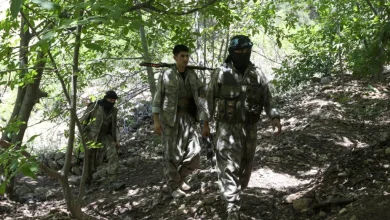
The answer is contested inside Iran’s own security apparatus. An Iranian armed forces spokesperson qualified the presidential announcement by saying, “Strikes against the US and Israeli assets will continue. So far, we have targeted every base that was the origin of aggression against Iran and we remain committed to this matter. Countries that have not provided space and facilities to the United States and the Zionist regime have not been our target so far and will not be targeted in the future. ” The Islamic Revolutionary Guard Corps reinforced that it respects the interests and national sovereignty of neighbouring countries but warned that should hostile actions continue, US and Israeli military interests in the region would be considered legitimate targets.
Who is responding and how?
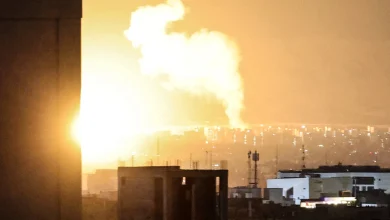
External reactions in the region and from Washington have hardened the context for Pezeshkian’s statement. President Donald Trump issued a stark threat, declaring, “Today Iran will be hit very hard!” and suggesting an escalation in bombing. The United States claimed significant impact on Iranian naval assets, while Iranian military spokespeople warned that “enemy” ships entering the Gulf could be destroyed. At the same time, a diplomatic track appeared to press Iran toward restraint: pressure from Gulf states and conversations with countries that have maintained ties to Tehran were cited in the public record as factors shaping the decision to offer an apology and to frame a narrower military posture.
Within Iran, the announcement exposes the split between political messaging and military posture. The president framed a step toward limiting the geographic scope of strikes and invoked legal and humanitarian considerations; uniformed forces and the revolutionary guard emphasised continued targeting of US and Israeli assets and the primacy of security doctrine. That tension will shape whether the president’s words translate into a sustained change in operations or remain a political signal amid rival centers of power.
The human dimension is immediate: apologies aim to ease diplomatic isolation and reduce the risk of broader regional damage to civilian infrastructure and commerce. Gulf states that host foreign bases have already been affected by strikes in recent days. Pezeshkian’s statement sought to draw a line that could lessen the toll on neighbours while preserving Tehran’s declared ability to retaliate for what it deems aggression.
Yet threats from the United States and hardline declarations from Iran’s military establishments mean the promise is fragile. The president’s pledge to avoid targeting neighbouring states unless attacked remains tethered to how others act and to the interpretation of what constitutes facilitation of aggression.
Back where the announcement began — in remarks carried by Iranian media — the iranian president framed an apology as an opening for diplomacy and a reassertion of legal norms. Whether that opening holds will depend on choices made now by military commanders, regional governments, and the United States. For citizens in the Gulf and across the region, the question is whether the apology will lower the temperature or simply redraw the map of permitted targets.