Pokemon Pokopia Game: The spin-off starring a ‘weirdo’ Ditto that’s got reviewers raving

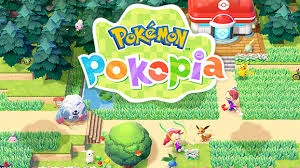
On a sun-bleached street of a half-demolished Kanto town, a small, human-shaped figure kneels to water a patch of parched grass. This figure is Ditto, and in the new pokemon pokopia game the task is simple and vast: coax the ruined place back to life, invite shy Pokémon to settle, and stitch together a community from scavenged bits and memory. The scene is both intimate and oddly theatrical — a post-apocalyptic garden tended by creatures better known for mimicry than domestic care.
What is the Pokemon Pokopia Game?
Pokopia is a spin-off released on Nintendo’s Switch 2 that leaves the series’ usual battling focus behind for a slower, cosier life simulation. The game blends elements commonly associated with farming and building titles, with block-based terrain manipulation that evokes construction play. Players embody Ditto in a humanoid form and arrive in the Kanto region to find a town emptied of human trainers. The central loop is rebuilding habitats, meeting the specific preferences of different Pokémon, and managing their needs while a larger mystery — the disappearance of trainers — hangs over the world.
Why reviewers are calling it a surprising reinvention
Early critical reaction has been widely positive. Jordan Middler, a reviewer, called it “an excellent life simulation game that takes the best bits from the champions of the genre. ” Another critic described it as “one of the best Pokémon spin-offs ever, ” praising the decision to center the lesser-known Ditto and the way the game unfolds its management systems. A third voice, noting a particular affection for Ditto, wrote simply, “I love this little weirdo!” Not all responses were unreserved: one reviewer raised concerns about repetitive tasks and judged the game “good enough” in its effort to mix inspirations. On aggregate, a prominent review aggregator gives the title a score of 88 out of 100, ranking it among the highest-reviewed games of the year so far.
How the game connects play, economy and emotion
At surface level, the pokemon pokopia game is about tidy mechanics: restore habitats, unlock new abilities, repopulate zones. But its social impact in play tests as something different. The absence of human trainers reframes relationships between people and Pokémon as cooperative restoration rather than collection and conquest. Economically, the title arrives amid scrutiny of the Switch 2’s lineup; some commentary suggests Pokopia could ease criticism about the console’s lack of must-buy exclusives. Creatively, developers tapped a quieter rhythm — methodical tasks, discovery of small artefacts, and emergent character moments — that reviewers say distinguishes it from the franchise’s usual formulas.
What creators and communities are doing next
The game is part of a wider slate of releases tied to the franchise’s anniversary celebrations, positioning Pokopia as both a standalone experiment and a milestone product. Developer collaboration and design choices that favor habitat building and character-driven chores have prompted players and critics to discuss longevity and replay value. While some players may find the loop repetitive, many others are drawn to its layered mechanics and the gradual expansion of new zones and inhabitants.
Back on that tattered street, Ditto tends a small flowerbed that was only a pile of rubble hours earlier. As night falls and Pokémon gather under a makeshift lamp, the rebuilding feels less like a task list and more like a collective breath. The game leaves the central mystery unresolved for now — the missing trainers still loom — but for many players the reward is already clear: a quiet world reborn, one tiny, strange interaction at a time.