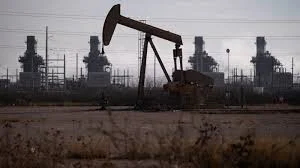
oil markets face a decisive inflection point as the near-complete closure of the Strait of Hormuz has stranded vast volumes of crude and refined fuels, forcing buyers to tap every available barrel and overturning previous glut forecasts.
What Happens When Oil Flows Stop?
The closure of the Strait of Hormuz followed the launch of a joint U. S. –Israel aerial bombing campaign against Iran and Tehran’s counter‑measures targeting Gulf states and regional energy infrastructure. Nearly 15 million barrels per day of crude production, plus another 4. 5 million bpd of refined fuels, remain effectively stranded in the Gulf after the chokepoint shut. That loss is equivalent to almost a fifth of global daily consumption and has pushed the global benchmark Brent crude above $90 per barrel.
Asia, which sources around 60% of its crude imports from the Middle East, is feeling immediate disruption: refineries and petrochemical plants across the region have cut production or shut altogether to conserve feedstock, and other energy‑intensive sectors from ceramics to car manufacturing face acute shortages. Inside the Gulf, producers are pushing crude into onshore tanks and offshore tankers as exports are blocked; Iraq has already shut off at least a quarter of its production capacity. Some Gulf exporters can divert crude through alternative routes, but those routes only partially offset the loss of the Strait.
What If Floating Stocks and Inventories Can’t Plug the Gap?
The International Energy Agency forecast earlier that global oil supply would exceed demand by around 3. 7 million bpd in 2026, but the recent disruption has rendered that projection vulnerable. Inventories had been building in recent months: global observed oil inventories rose by 1. 3 million bpd — or 477 million barrels — in 2025, reaching their highest level since March 2021, per the IEA. Around 80 million barrels are currently stored on tankers at sea, with nearly two‑thirds in Asia, Kpler data show.
Most of that floating storage is not readily accessible. About three‑quarters of the floating stocks originated from Iran, Venezuela and Russia and are subject to Western sanctions; Iranian crude alone accounts for roughly 50 million barrels. As storage fills, more producers will be forced to cut output and idle refineries. To relieve pressure on refiners, the U. S. granted India a waiver to buy Russian crude so refiners can cope with the supply squeeze.
What Happens Next — Scenarios and Stakes?
Best case: The Strait reopens relatively quickly, Gulf exporters use remaining storage and alternative routes to replace much of the lost flows, inventories provide short‑term relief, and refinery curtailments in Asia are limited. Markets stabilize as supply normalizes.
Most likely: The closure persists long enough that onshore and afloat storage fill, forcing incremental production cuts. Restarting safely takes days or weeks, extending the shock beyond any eventual reopening. Brent remains elevated above pre‑crisis levels and refiners in Asia operate at reduced rates for an extended period, squeezing downstream industries.
Most challenging: The chokepoint stays closed for weeks, storage capacity is exhausted in the Gulf, and deeper production shutdowns become necessary. Widespread refinery idling in Asia compounds shortages, industrial production in energy‑intensive sectors contracts, and a reallocation of constrained barrels creates sustained price stress across markets.
Who wins and who loses is already becoming clear: holders of accessible inventories and refiners with alternative feedstock sources gain negotiating power, while import‑dependent refiners, energy‑intensive manufacturers and consumers in import regions face the costs. Policymakers and buyers who can secure exemptions or alternative supply lines gain breathing room; producers with limited storage options and nations reliant on Strait transit face the hardest adjustments.
Readers should expect tighter physical markets, higher spot prices, and more frequent refinery adjustments as the immediate emergency unfolds. Prepare for a period in which access to secure barrels, constrained refining runs and elevated pump prices reshape supply chains and consumer costs — the era of scarce oil