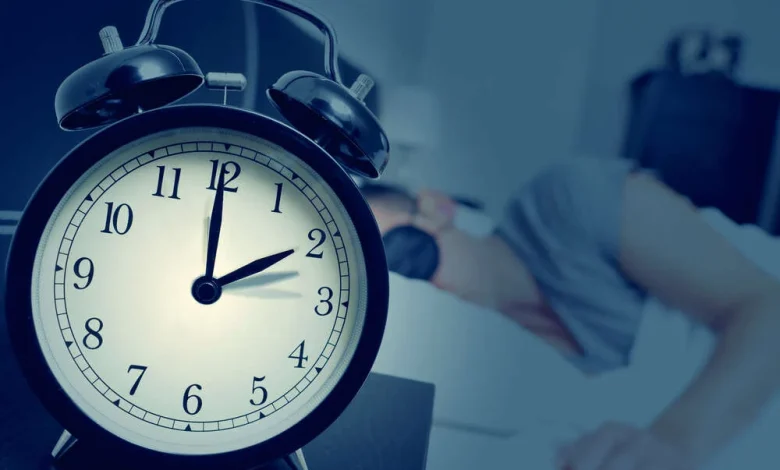
As clocks go forward 2026, the approximately 85 million adults in the United States who already experience chronic sleep deprivation stand to lose another hour of sleep, intensifying a public health problem that experts say has immediate consequences for safety, health and daily behavior. The one-hour spring shift is scheduled for 2 a. m. Sunday, and sleep medicine specialists and animal-care authorities have practical advice for reducing short-term harm and smoothing the transition.
What Happens When Clocks Go Forward 2026?
When clocks go forward 2026 the shift creates a cascade of short-term effects: sleep loss that leaves people groggy, changes in decision-making and measurable safety impacts. Dr. Nirupam Singh, a sleep medicine specialist and pulmonary critical care specialist at Kaiser Permanente in San Rafael, notes that the workweek immediately after the spring shift has been associated with a spike of 6% in motor vehicle accidents. He warns that sleepy driving can be as dangerous as impaired driving, encapsulated in his phrase, “Sleepy driving is drunk driving. ”
Beyond crashes, the shift amplifies existing sleep deprivation, which Dr. Singh links to long-term risks including heart disease, disruptions in blood sugar and cholesterol, stroke risk and worsening mental health such as depression. Short-term reactions described in the coverage include headaches, mood disruptions and a small increase in heart-related events. The loss of one hour also correlates with lower self-control, impulse spending and drops in workplace focus and productivity.
How to Prepare: Practical Steps Experts Recommend
Sleep-medicine guidance centers on gradual, practical moves that shift the body clock before the change. Dr. Nirupam Singh recommends advancing bedtime and wake time by 15-minute increments in the days before the transition, and seeking early-morning light on the day of the shift to pull the circadian clock earlier. He advises removing TVs and phones from bedrooms, avoiding late meals that can disrupt bedtime routines, and using small behavioral systems—one example: intentionally limiting household WiFi an hour earlier—to reinforce earlier sleep times.
For people who continue to struggle, Dr. Singh suggests a very low dose of melatonin—between half a milligram and one milligram—taken around early evening to help adjust the body clock. Other practical tactics noted in recent coverage include limiting caffeine, prepping meals ahead of the shift to avoid late-night cooking, setting spending limits on apps to counter impulse purchases, and delaying large purchases for 24 hours to avoid fatigue-driven buying decisions.
Routine changes apply to pets as well. Specialists at the American Kennel Club warn that dogs can show early-morning begging, accidents or restlessness when household schedules shift. A gradual change to feeding and walk times by 10 to 15 minutes in the days leading up to the time change can reduce disruption for animals and owners alike.
Who Is Most Affected, What to Watch For, and What to Do Next
Impact varies by chronobiology and age. Dr. Singh highlights that adolescents naturally have a delayed sleep phase and can struggle more with earlier mornings, while many seniors tend to be morning people. Screens and artificial light push body clocks later; conversely, morning light is one of the most potent signals to advance the clock and ease adjustment.
Practically, households should not treat the spring shift as a one-off annoyance. Simple, low-friction steps—shift sleep by 15-minute increments, prioritize morning light, remove stimulating screens from the bedroom, limit late meals and consider a very low melatonin dose under medical guidance—can reduce immediate safety risks and support long-term wellness. Manage shopping and work tasks with an awareness that decision-making and focus may be impaired for several days, protect driving times when possible, and adjust pet schedules gradually to prevent unrest.
The change is short but consequential; preparing in small, concrete ways can mitigate spikes in crashes, health symptoms and behavioral slip-ups when clocks go forward 2026