Yellow Sea interception reveals unsafe Chinese manoeuvre that forced Australian helicopter evasive action

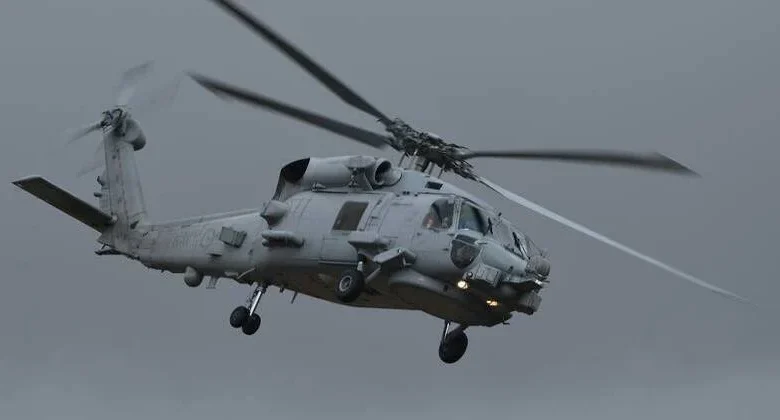
A People’s Liberation Army-Navy helicopter closed to an unsafe distance and rolled toward an Australian Defence Force MH-60R, forcing evasive action during an international sanctions patrol in the yellow sea, a move Canberra has called “unsafe and unprofessional” and has raised with Beijing.
What happened in the Yellow Sea?
Verified facts from official statements and the operational record show that an MH-60R helicopter launched from HMAS Toowoomba as part of Operation Argos, an Australian contribution to enforcing United Nations Security Council sanctions against North Korea. During routine activity in the area, a People’s Liberation Army-Navy helicopter matched the ADF helicopter’s altitude before closing to an unsafe distance. The PLA-N helicopter then moved slightly ahead, increased speed and rolled toward the ADF helicopter; the Australian crew took evasive action to maintain safe flight. No injuries or damage were reported. The Australian government described the altercation as “unsafe and unprofessional” and has expressed concern to Beijing.
Who is involved and what are their positions?
The primary actors named in official material are the Australian Defence Force, the Australian government’s defence department, HMAS Toowoomba and the People’s Liberation Army-Navy. The defence department characterized the manoeuvre in operational terms: altitude matching, closing to an unsafe distance, a change of speed and a roll toward the Australian helicopter that required evasive action. The Australian government has formally registered concern with Beijing. Defence Minister Richard Marles previously warned that an earlier encounter in which a Chinese fighter jet dropped flares in front of an Australian surveillance plane over the South China Sea could have had a different outcome, underscoring Australian officials’ view that such close intercepts pose real risk to personnel and aircraft.
What do these facts mean — verified facts and informed analysis
Verified facts: an ADF MH-60R operating from HMAS Toowoomba under Operation Argos was intercepted by a PLA-N helicopter that matched altitude, closed to an unsafe distance, then moved ahead, increased speed and rolled toward the ADF helicopter; evasive action was executed; there were no injuries or damage; Australia has described the action as “unsafe and unprofessional” and has raised concerns with Beijing; Defence Minister Richard Marles has linked this incident to an earlier dangerous intercept involving flares over the South China Sea.
Informed analysis: viewed together, the sequence of altitude matching followed by closing, speed change and a roll toward the Australian helicopter constitutes a pattern of close-in interception that elevated risk for both aircraft. The deployment context — enforcement of United Nations Security Council sanctions — placed the ADF aircraft in routine international operations, while the intercepting platform belonged to a national navy operating in the same maritime space. The absence of injury or damage does not eliminate the operational danger posed by such manoeuvres: matching altitude and rapid closure can leave minimal margin for safe response and increase the likelihood of an accident.
Accountability call: the documented details demand clearer operational risk management and transparency from all parties involved. Australia has registered a formal concern with Beijing; what remains to be made public are the full operational logs, air traffic data and diplomatic exchanges that would allow independent assessment of whether accepted international navigation and intercept protocols were breached. For Australian personnel and for regional stability, those records should be disclosed to appropriate oversight bodies, and multilateral mechanisms should be used to reaffirm safe-professional standards for military aviation in shared skies. The yellow sea encounter is the latest instance highlighting the gap between routine enforcement operations and intercept practices that can escalate into accidents; transparency and procedural reform are necessary to reduce that risk.