translink has moved to clear confusion about SkyTrain access during FIFA World Cup match days in Vancouver, confirming that key stations will remain operational even as pedestrian routes to BC Place are restricted. Officials emphasize continued train service, targeted exit closures, and temporary route guidance for Canada Line riders, while also detailing a substantial service boost intended to handle large crowds arriving and departing the stadium precinct.
Background and context: why this clarification matters
Public concern centered on whether station shutdowns would compound congestion and complicate travel for residents and visitors during World Cup matches. The announcement aims to reduce uncertainty by stating that Stadium–Chinatown and Yaletown–Roundhouse SkyTrain Stations will remain open on match days, but that pedestrian access directly to BC Place from those stations will be restricted by the event perimeter. The clarification responds to questions about how a secure event zone around BC Place will interact with everyday transit operations and large spectator flows.
translink operational adjustments for match days
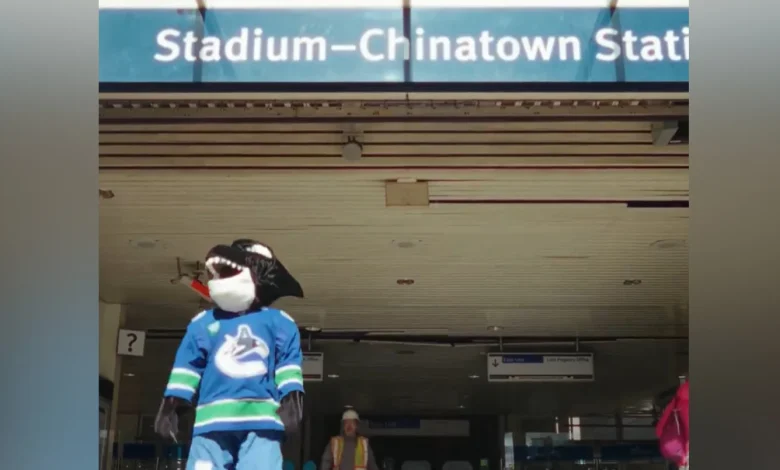
The transportation authority says trains will continue to stop at Stadium–Chinatown and Yaletown–Roundhouse, though certain station exits will be closed off to support a secure perimeter around BC Place. Spokesperson Jawn Jang explained an exact closure: “During FIFA match days here in Vancouver, Stadium–Chinatown station, just the gate on the Expo Boulevard side — which is the side closest to Rogers Arena — that gate will be closed. ” Riders will be redirected to enter the stadium control zone through designated routes rather than the nearest station exits.
For those arriving on the Canada Line, translink recommends transferring at Waterfront Station to the Expo Line and then disembarking at Main Street–Science World Station to walk into the FIFA control zone. The authority also plans an operational surge: roughly 600 additional bus trips will be added, SkyTrain frequency will increase before and after matches, and trains will run later into the evening on match nights. For matches with 9 p. m. kickoffs, trains will be available until 2: 15 a. m., offering a late-night option for departing spectators.
Expert perspectives and what to watch next
Jawn Jang, spokesperson for the transportation authority, framed the measures as targeted adjustments rather than full station closures and emphasized the combination of exit restrictions and supplemental service to manage peak demand. Transit advocate Michelle Scarr, with the advocacy group Movement, welcomed the added trips and extended hours as a positive step amid intense global attention on the city, but she cautioned that longer-term capacity improvements will not be in place for the tournament. Scarr noted that a major local project, the Broadway Subway, will not be completed in time for the games and urged that measures within the authority’s control—such as dedicated bus lanes—be deployed to improve reliability.
The combined message from officials and advocates spotlights a two-track approach: operational adaptations for event days paired with calls for infrastructure and policy changes to address recurring capacity gaps. City and transit planners will be monitoring how temporary rerouting and the boosted timetable perform under real-world conditions during match days.
Conclusion
With translink confirming service retention at key SkyTrain stations, restricted pedestrian exits, recommended transfer routes for Canada Line riders, and a significant temporary service increase, officials seek to balance security needs with transit access for tens of thousands of attendees. The central question now is whether these temporary measures will be sufficient to maintain reliability and public confidence during a concentrated period of demand—and what lessons will be drawn for future major events.