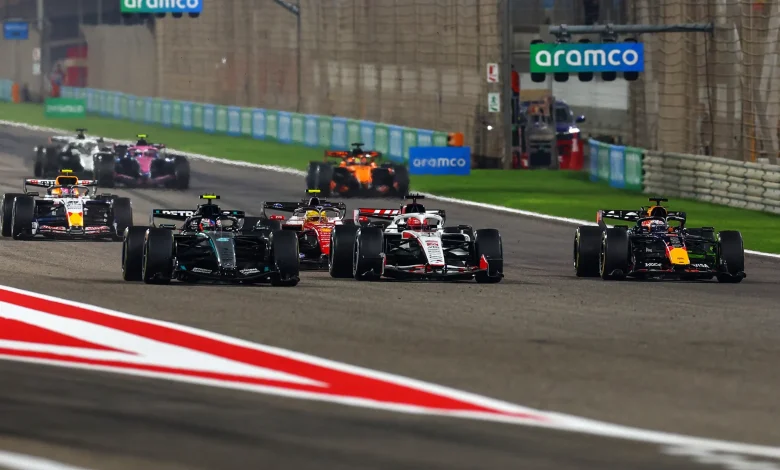
In living rooms and paddocks alike, the shorthand f1 tv has entered the conversation as the 2026 Formula 1 season approaches. When the season begins March 7, Canadian audiences will have a clear destination: TSN and RDS are named as Canada’s exclusive home for the Championship. At the same time, engineers and drivers are preparing for a package of rule changes that, taken together, promise a different kind of racing.
What is changing on track: a concise technical brief
Formula 1 has laid out a suite of alterations to cars and power units for 2026. The cars now run a shorter wheelbase — 3400mm instead of 3600mm — and a narrower floor, with 100mm removed from the width of the floor. Tyre dimensions have been trimmed: front tyres are 25mm narrower and rear tyres 30mm narrower, reducing contact patches and altering grip characteristics. Those package changes contribute to a lower minimum weight limit, down from 800kg in 2025 to 768kg for the new season.
The aerodynamic philosophy has shifted too. Venturi tunnels that previously drove ground-effect performance have been removed; front and rear wings are simplified; wheel covers have been taken off to save weight; and bargeboards are introduced to channel turbulent airflow inboard and reduce outwash — a design move aimed at improving the ability of cars to follow each other.
Power units have been reimagined. The MGU-H has been removed and the internal combustion engine now produces a reduced output of around 400kW, while the MGU-K becomes markedly more powerful, increasing electrical output from 120kW to 350kW. The package moves toward an approximate 50-50 split between internal combustion and electrical power. Batteries may be recharged with more than double the previous 4MJ per lap, and the rules explicitly permit techniques such as ‘super clipping’ and increased harvesting under braking to capture that energy.
F1 Tv and Canadian viewers: who is carrying the season?
For Canadian audiences, the broadcast landscape is settled: TSN and RDS are designated as the exclusive Canadian home of the 2026 FIA Formula One World Championship season, beginning March 7. Bell Media frames TSN as a broad multimedia operation, noting: “TSN is Canada’s Sports Leader and provides world-class content across its industry-leading platforms including five national television feeds, TSN+, TSN. ca, TSN Radio stations, and the TSN app, featuring 5G capabilities. “
The broadcaster’s portfolio and platform reach mean that the technical story on track — the new, lighter cars, different aero behaviour and the heavier electrical footprint of the power units — will be packaged for viewers across multiple feeds and digital options. TSN’s OVERDRIVE programming has marked a decade of coverage, with personalities Hayes, Noodles, and The O-Dog highlighted in network programming around motorsport moments.
Technical change and broadcast exclusivity arrive in parallel: engineers, team principals and broadcasters must decide how to present the new on-track sightlines and strategic shifts to audiences who may be seeing different tire behaviour, closer-battling cars, and a new balance between combustion and electrical power.
Voices on the shift and what they mean
Formula 1 framed the moment bluntly: “A host of changes are coming to Formula 1 in 2026 – we delve into the most important ones fans should be aware of. ” That institutional voice sets the stage for a season in which engineering priorities — weight, packaging, energy harvesting and simplified aero — alter both performance and spectacle.
Bell Media’s description of TSN’s capabilities signals how the season will be delivered to Canadian fans: extensive broadcast feeds and digital platforms are in place to carry practice, qualifying and race coverage. The combination of technical upheaval on track and consolidated broadcast access in one country creates a narrow window for broadcasters to shape the narrative of the season.
Practically, teams will be adapting setups to a shorter wheelbase, smaller tyres and less ground-effect downforce, while engineers focus on exploiting the larger diffuser allowances and more powerful MGU-K systems. Broadcasters and studio hosts will translate those changes for viewers, highlighting why braking zones, energy harvesting and throttle management look and feel different this year.
Image caption (alt text): “Broadcast studio console with graphics reading f1 tv and race telemetry”
Back where the story began — on screens and in living rooms — the first races of the season will be a test of two things at once: whether the new technical regulations deliver closer, more engaging racing, and whether a concentrated broadcast approach in markets like Canada delivers the storytelling that helps fans understand those technical shifts. As March 7 arrives, engineers will be tuning suspension and energy strategies while broadcasters ready feeds and studio analysis, leaving fans with the promise of a season that feels new both on track and on screen.