Households facing sudden bills and frantic calls to local TDs have been driven to the centre of a political storm as heating oil prices spike across the country. The surge in retail costs has prompted public questions about opportunism at the pumps and in home deliveries, and the Dáil has been pressed for answers.
Heating Oil Prices — Who is profiting from sudden jumps?
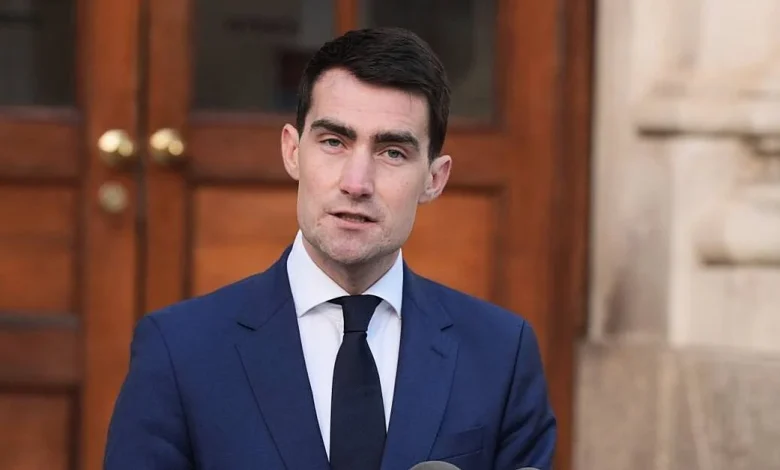
Verified facts: Jack Chambers, Ireland’s Public Expenditure Minister, said that the Government has no intervention currently on the table and described the energy-price environment as “extremely volatile, uncertain and unpredictable. ” Chambers called the retail conduct “pure opportunism” and said such behaviour should be tackled by the Competition and Consumer Protection Commission. The Taoiseach, Micheál Martin, acknowledged “a degree of price-gouging” from anecdotal accounts and said the situation would be kept under urgent review. Sinn Féin leader Mary Lou McDonald shared a concrete instance: a 94-year-old woman from Wexford saw a half fill of home heating oil rise from €464 to €879 in a week, and she said motorists had seen 10c increases at forecourts.
Analysis (informed interpretation): Those named statements frame a two-track response: ministers signal reluctance to act immediately on fiscal grounds while simultaneously pointing regulators toward market enforcement. The juxtaposition of an explicit household example and ministerial caution suggests political sensitivity but limited short-term policy appetite.
What are ministers and regulators doing about these price moves?
Verified facts: Jack Chambers said it would not be “responsible” to announce a reaction days into the crisis and warned that interventions have trade-offs and can become permanent. He stated the Government will assess the wider position over the weeks and months ahead to see if there is any sustained or increasing price dynamic. The Taoiseach asked the Commission for the Regulation of Utilities and the Competition and Consumer Protection Commission to investigate the retail movements. Chambers also flagged that any change in expenditure policy must be weighed against a new fiscal framework.
Analysis (informed interpretation): The Government’s public posture is one of measured restraint. By instructing regulators to investigate while deferring fiscal action, ministers shift immediate accountability to statutory bodies rather than signaling direct market intervention. That approach can buy time politically but leaves urgent consumer relief unaddressed in the near term.
How big is the household impact and what should be demanded of officials?
Verified facts: Public testimony in the Dáil and parliamentary exchanges made clear that householders and motorists faced sharp increases in petrol and home heating oil. The debate was amplified in the Dáil, where leaders discussed domestic cost impacts alongside geopolitical concerns. The Government said it had taken “very targeted measures” in the Budget, including in relation to the fuel allowance, but ministers stressed they will not take immediate expenditure action unless circumstances escalate to an “extraordinary degree. ”
Analysis (informed interpretation): The inclusion of a concrete household example — a near-doubling of a typical home delivery bill in a week — elevates the political as well as the economic stakes. The choice to engage regulators rather than deploy fiscal supports means accountability will hinge on the pace and findings of those inquiries. For households, that risks delay between harm and remedy.
Accountability conclusion: Verified facts from named officials and parliamentary voices show a clear sequence — rapid retail price rises, public alarm in the Dáil, ministerial warnings against immediate fiscal intervention, and referrals to regulators. The public should expect timely, transparent findings from the Commission for the Regulation of Utilities and the Competition and Consumer Protection Commission and a clear ministerial timetable for review. If regulators confirm sustained opportunistic pricing, a public reckoning and policy response will be necessary so that heating oil prices do not remain a political and economic flashpoint for vulnerable households.