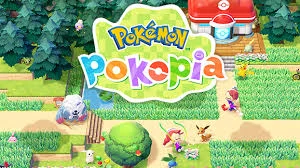
pokémon pokopia has landed on Nintendo’s Switch 2 and surprised critics with a slow, cosy life-simulator take on the franchise; players control Ditto in a blocky, rebuild-the-world Kanto to restore habitats and uncover a trainer mystery. The game shifts the series away from traditional battling toward town-building, crafting and creature care. Reviewers praise its charm and design even as a minority note repetitive stretches.
Top-line: what the game does and how it plays
Pokopia puts you in the role of Ditto, appearing in a humanoid form, awakening in a very cute post-apocalyptic Kanto and tasked with rebuilding and repopulating the area by creating homes and habitats for Pokémon. The game blends life-simulation sensibilities with block-based terrain manipulation reminiscent of sandbox builders, and layers in management systems for attending to Pokémon needs and wants. There is also an embedded mystery about the disappearance of trainers that drives exploration and progression.
Critical reaction and immediate quotes
Early critical response has skewed highly positive. Jordan Middler, reviewer, wrote that Pokopia is “an excellent life simulation game that takes the best bits from the champions of the genre” in a five-star appraisal. Lottie Lynn, reviewer, described it as “one of the best Pokémon spin-offs ever” in a four-star assessment, applauding the decision to focus on Ditto and the way the game reveals its “complex mechanics” for world management. Rebekah Valentine, reviewer, offered a personal take on the main character, writing “I love this little weirdo!” in a nine-out-of-10 review. By contrast, Stacy Henley, reviewer, flagged repetitive elements and rated the game three stars, saying it does a “good enough” job mixing its inspirations without surpassing them.
Why Pokémon Pokopia matters
pokémon pokopia represents a marked tonal and mechanical departure for the franchise: rather than emphasizing capture-and-battle loops, it encourages slow, methodical construction, habitat design and social interaction with returning creatures. That departure appears to be the source of its strong early scores, with the title reaching an overall review average of 88 out of 100 on aggregator tallies and ranking among the highest-scored titles of 2026 so far alongside other standout releases. The approach leans on familiarity—cute character work and nostalgic design—while largely avoiding the trappings that have left some fans wanting more innovation in recent entries.
Quick context
The release coincides with the franchise’s 30th anniversary and is one of several products and events launched around that milestone. The game is positioned as an exclusive highlight for the Switch 2 hardware, arriving amid debate over must-buy exclusives for the platform.
What comes next
Developers and platform stakeholders will now watch player response and engagement metrics closely to see if Pokopia sustains its early critical momentum and quiets some hardware-enthusiast criticism. Updates, community reaction and longer-term play patterns will determine whether the title remains a high-water mark for spin-offs or proves a brief critical standout; the game’s mystery thread and habitat systems offer obvious pathways for future content and deeper systems if the team chooses to expand them. pokémon pokopia’s initial reception suggests it could reshape expectations for what franchise spin-offs can be, even as scrutiny continues over repetitive pacing in later hours.