wbc 2026 schedule is already concentrating attention not just on who will shine on the field but on how the tournament’s compressed calendar will intersect with Major League Baseball teams’ spring preparations. The sixth edition runs from March 5-17 (ET) across Miami, Houston, San Juan and Tokyo, and promises heightened star power, insurance trade-offs, and delicate pitcher usage decisions that will reverberate into the regular season.
Background & context: Why the wbc 2026 schedule matters now
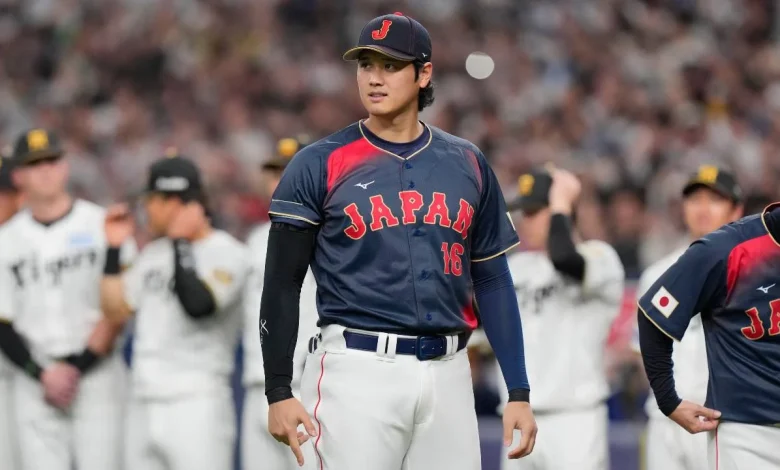
The World Baseball Classic returns in a tight 13-day window, staged in four international sites. The tournament’s short format elevates the impact of single performances and places a premium on top-line talent showing up and staying healthy. Japan enters as the only nation with multiple titles — three championships — while national pride and participation levels have increased heading into this edition. Iconic moments from prior Classics, such as the pitching-versus-hitting duel that saw Shohei Ohtani face Mike Trout in the 2023 final, have become defining national images and underscore how a single at-bat or inning can change narratives.
Deep analysis: Players to watch, club risks and pitcher usage
One recent feature identified 15 players poised to influence outcomes once play begins. Among them are established elite figures whose presence or absence will shape brackets: Shohei Ohtani, who will not pitch in the Classic but brings an MVP-caliber bat after consecutive 50-home run seasons and a 2024 line that included 54 homers and 59 stolen bases; Aaron Judge, whose prodigious power and walk rates led the majors in intentional walks in 2025; and Vladimir Guerrero Jr., whose postseason surge — a 241 wRC+ and eight October home runs that tied for second-most ever in a playoff run — positions him as a fulcrum for the Dominican Republic’s title hopes. The Dominican Republic last won the WBC in 2013.
Club-level concerns center on pitcher workload and contract incentives. Examples from the 2023 tournament illustrate the stakes: Jose Altuve suffered a broken hand after being hit by a pitch while representing Venezuela, and Edwin Diaz suffered a season-ending patellar tendon tear in a postgame celebration. Those incidents highlight how injuries sustained in international play can directly affect club rosters. Insurances cover salary but do not replace competitive on-field value lost to an absence.
Pitchers are a particular flashpoint. Teams face the risk of arms throwing at high intensity before the usual spring buildup. Some players and clubs are adjusting limited appearances: Tarik Skubal, the Detroit Tigers left-handed starter and back-to-back American League Cy Young winner, has chosen to participate but will limit his contribution to a single start and a short pitch count — a planned one start of roughly three innings maximum against Great Britain — balancing national representation with a guarded approach to preserving his season and free-agent prospects.
Wbc 2026 Schedule: expert perspectives, regional impact and forward implications
Experts and leading participants framed the core tensions the schedule creates. Tarik Skubal, left-handed pitcher, Detroit Tigers, embodies the split priorities of player and club: a decorated Cy Young recipient electing a constrained national appearance rather than a full competitive ramp. Team-level examples further illustrate contrasting risk appetites: some general managers prefer players to remain in spring training, while national programs and players often prioritize representing their countries. The insurance arrangements in place protect payroll exposure but leave performance and competitive integrity vulnerable when stars are limited or absent.
The regional footprint of the event — games in Miami, Houston, San Juan and Tokyo — underscores the Classic’s global reach. Japan’s consistent ability to field top talent and its three championships illustrate how national systems that prioritize Classic participation can yield advantage. For the United States, the absence of certain stars in 2023 coincided with a finals loss to Japan; with increased participation this edition, the interplay between available talent and the condensed wbc 2026 schedule will be decisive.
On the competitive side, the short timeframe magnifies variance: a hot hitter or a high-leverage arm in form can tilt a nation’s fortunes quickly. Clubs will watch player workloads closely, and several elite contributors are likely to be used in reduced or highly managed roles to protect long-term availability.
As the wbc 2026 schedule approaches, fans and front offices face the same question: can elite players showcase their national pride without imperiling the clubs that rely on them for a 162-game season — and how will teams adapt to a tournament that rewards short bursts as much as sustained excellence?