Michael Carrick has signalled that man u could again prioritise a left-sided forward this summer, a striking reversal after successive windows that saw wide players moved on. With Alejandro Garnacho and Antony sold and Jadon Sancho out on loan, Carrick’s comments underscore an immediate tactical and roster question: how to restore natural width when the club began the previous season with five experienced wide players but now has only one orthodox winger available.
Background and context: Why the wide roles matter again
The personnel changes that triggered the present dilemma are concrete. Alejandro Garnacho and Antony have left the club permanently, while Jadon Sancho is on loan at Aston Villa and remains under contract with an uncertain future. Collectively, Jadon Sancho, Antony and Amad Diallo were acquisitions that totalled £173m when measured by their combined fees. Antony departed for Real Betis in a £21. 65m deal, and Garnacho moved to Chelsea for £40m. Sancho returned from Chelsea last summer after the buying club paid a £5m clause to send him back rather than sign him permanently; his contract is now approaching its end and retention appears unlikely.
Historically, Manchester sides have leaned on wingers as defining figures, and the club began the season with a breadth of wide options. That landscape has narrowed: Marcus Rashford and Alejandro Garnacho came through the club’s youth pathway, but Rashford has spent time away on loan and faces contractual complexities, including a £26m option to be activated by another club. Amad remains the only orthodox wide player consistently available to Carrick, though others such as Patrick Dorgu have been repurposed from wing-back into more offensive roles.
Man U’s tactical pivot and transfer logic
The tactical context explains why the issue is urgent. Under Ruben Amorim, the team frequently operated in a 3-4-2-1 system that deprioritised traditional wingers in favour of wing-backs and two attacking midfielders behind a striker. That shape made the club comfortable shedding wide specialists. Since Amorim’s departure and Carrick’s stewardship, the formation has shifted back toward a 4-2-3-1 framework, exposing gaps that the previous system masked. Matheus Cunha, signed to play more centrally as a No. 10, has been used wide at times, but his preferred role is not as a natural left winger; Luke Shaw’s absences further highlighted the lack of true wide forward options.
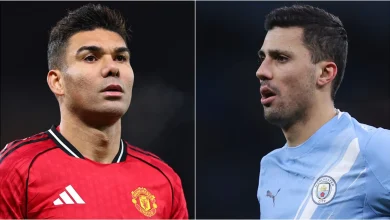
Squad balance is now a practical consideration. Club spending remains significant: over £200m was invested on new arrivals last summer, and the current planning reportedly prioritises a new central midfielder to replace Casemiro as well as a premium left-sided forward. Some midfield targets are valued close to £100m, and that valuation pressure feeds through to the fee the club might accept to add width—meaning that signings to satisfy Carrick’s stated need could come with heavy price tags.
Expert perspectives and the road ahead
Michael Carrick, the Manchester United manager for the remainder of the season, has framed decisions through a long-term lens and has been careful in public comments about recruitment. “I think you’re always looking at the balance of the team and the squad to give you the utmost flexibility, so it’s definitely something to look at, for sure, ” Carrick said when asked directly about left wing options, later adding: “Quite possibly. ” Those lines indicate a real openness to action without committing to an immediate plan.
On the pitch, Matheus Cunha and Amad have filled the left zone at various times, and Patrick Dorgu impressed before injury, but none are an uncontested, natural left-sided forward. The club is monitoring wide players from other leagues and has names linked in discussions as potential options to restore the balance of attack. Transfer economics will be a filter: the club must weigh replacing a departure such as Casemiro in midfield alongside paying a premium for a genuine winger if it believes the squad lacks that profile.
As man u prepares for a summer window that could reshape its front line again, the core question remains one of identity as well as personnel: whether to rebuild width through a marquee signing, repurpose existing attackers, or persist with versatile solutions that hide the absence of a traditional left winger. Which route the club chooses will define its tactical silhouette into the next season and shape recruitment priorities in a transfer market where prices and options are tightly linked to squad ambition. How Carrick and the decision-makers weigh those trade-offs will be the story to watch this summer; will they chase a specialist left winger or trust adaptable options already at the club?