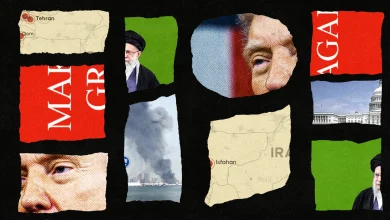
Mark Carney reveals Ottawa backed U.S.-Israel strikes ‘with regret’ — a contradiction in Canada’s stance

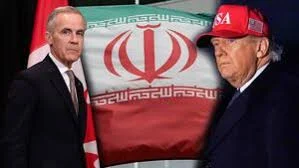
Prime Minister mark carney told reporters in Sydney that Canada supported U. S. and Israeli air strikes on Iran “with regret, ” framing the endorsement as both a distancing from the attackers and an expression of concern about the collapse of the rules-based international order.
What did Mark Carney tell reporters in Sydney?
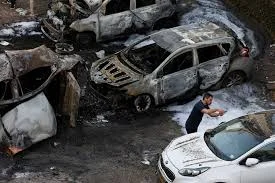
Verified facts: Prime Minister Mark Carney was in Sydney, Australia on March 3. He said he backed U. S. and Israeli air strikes on Iran “with regret. ” He described Tehran as the greatest threat to stability in the Middle East, and said the attacks appeared “prima facie” to be inconsistent with international law. Mr. Carney said the strikes have produced “a rapidly spreading conflict and growing threats to civilian life” as Iran retaliated by striking back at Israel and nearby countries with U. S. military bases. He ruled out Canada’s involvement in the conflict and said Canada was not consulted on the attacks by the United States or Israel. He also said it is for the United States and Israel to justify the pre-emptive strikes under international law and for legal experts to determine whether they meet that test.
Analysis: The prime minister’s language combines support and censure: an explicit backing tempered by a legal and moral caveat. By calling the posture one of regret and flagging apparent legal problems with the strikes, Mr. Carney positions Canada as sympathetic to the stated security concerns while distancing Ottawa from unilateral military action outside established international institutions.
What is not being told about Canada’s position and the broader rules-based order?
Verified facts: Mr. Carney said the current conflict is “another example of the failure of the international order, ” noting decades of United Nations Security Council resolutions, the work of the International Atomic Energy Agency, sanctions and diplomatic frameworks have not resolved the issue he attributes to Iran. He echoed elements of a previous speech in which he said the rules-based international order was over and that powerful states pursue their interests. The prime minister also invoked longstanding accusations against Iran, saying the regime has committed “serial violations of international law, ” described it as “the biggest exporter of terror in the world, ” and accused it of murdering “scores of Canadians” and tens of thousands of its own citizens, repressing women and seeking nuclear weapons. The context also records that Canada severed formal diplomatic ties with Tehran in 2012 under former prime minister Stephen Harper and that Mr. Carney’s remarks marked an attempt to distance Ottawa from the actions of U. S. President Donald Trump and Israel’s Benjamin Netanyahu.
Analysis: Those statements frame a policy paradox: Ottawa affirms solidarity with allies’ security claims while criticizing the process and legality of their methods. By spotlighting institutional failures — the UN Security Council and the International Atomic Energy Agency are named as longstanding mechanisms — Mr. Carney shifts attention to systemic breakdown rather than to a single actor’s justification. This reframing raises the central public question: if existing multilateral mechanisms have failed to contain the threat Mr. Carney identifies, what legitimate pathways remain for collective response that respect international law?
Accountability and next steps: The verified record in Sydney establishes three clear demands for public reckoning. First, the legal basis for pre-emptive strikes should be examined by independent legal experts; Mr. Carney said that formal judgment is “for others to make. ” Second, Ottawa’s claim that it was not consulted obliges the government to clarify channels of allied communication and decision-making. Third, given Mr. Carney’s assertion that the strikes have escalated civilian risk, Parliament should seek a documented government assessment of the humanitarian and security implications of endorsing allied military action. These steps would turn the prime minister’s expressed regret into concrete transparency measures rather than rhetorical distancing.
Verified fact and informed analysis are separated here: the quotations and positions above are drawn from Prime Minister Mark Carney’s public statements in Sydney; the implications and recommended steps are analysis grounded in those verified remarks. The public deserves clear answers about why Canada backed the strikes, how Ottawa evaluates their lawfulness, and what safeguard the government will demand next — questions mark carney must now answer with documentation and legal clarity.