Roy Cooper Clinches North Carolina Senate Nod as Polls Close in Texas, Setting Up November Showdown

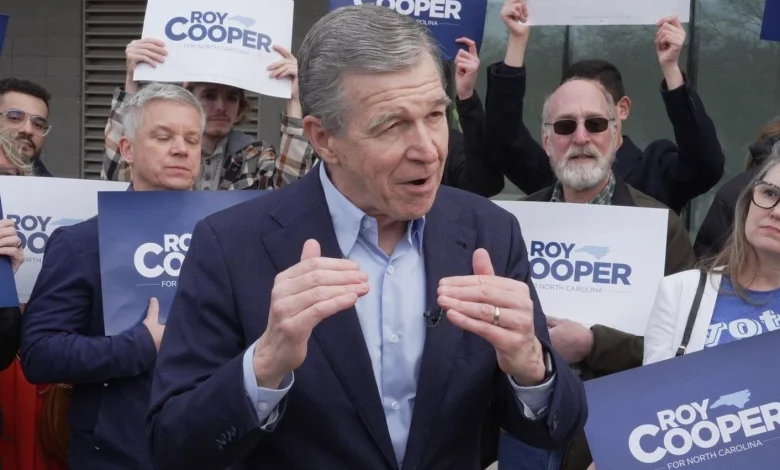
roy cooper won the Democratic nomination for U. S. Senate in North Carolina, joining Republican Michael Whatley in a fall campaign that the parties say could determine control of the chamber.
What Happens When Roy Cooper Meets Michael Whatley in November?
Former Democratic governor Roy Cooper and ex-Republican National Committee Chairman Michael Whatley each secured their party’s nominations for the U. S. Senate seat being vacated by Thom Tillis, who chose not to seek a third term. The two candidates moved past crowded primary fields and have already focused on one another, largely ignoring intraparty rivals while trading attacks almost daily.
Cooper brings a long statewide record and has a significant fundraising advantage so far. Whatley, who has served as a state GOP chairman and as ex-chair of a national committee, was buoyed for the nomination by an endorsement from President Donald Trump. Trump won North Carolina in all three of his presidential elections, a fact the Republican campaign will likely emphasize.
What If Money and Turnout Decide the Chamber?
The broader consequences of the North Carolina result extend beyond the state. Cooper’s entry into the race energized Democrats eyeing a net gain of four Senate seats, with North Carolina listed among the paths those strategists consider most viable. Both campaigns are noted as skilled fundraisers, and political observers expect a rush of outside money for and against the nominees that could push this contest toward the most expensive Senate campaigns in U. S. history.
- Roy Cooper — Democratic nominee; former two-term governor; served 24 consecutive years in statewide office; currently holds a notable fundraising advantage.
- Michael Whatley — Republican nominee; former state GOP chairman and ex-Republican National Committee chairman; received endorsement from President Donald Trump.
- Seat status — Open seat being vacated by Thom Tillis, who declined to seek a third term.
Across the primary calendar, contests elsewhere unfolded as polls began to close in Texas and other states. State-level results included victories by candidates for House nominations in both North Carolina and Texas. Local election administration issues also surfaced during the voting window in some counties.
The November contest will hinge on fundraising flows, turnout dynamics and the national parties’ allocation of resources. With Cooper’s statewide popularity as a former governor and Whatley’s backing from a former president, the race is set to attract sustained national attention and spending. Observers note that the way outside money and voter mobilization play out could determine whether this seat helps decide which party controls the Senate.
For readers tracking the midterm landscape, this primary result makes North Carolina a central battleground to watch: the nominee list is set, the seat is open, and the fall outcome could influence control of the chamber — roy cooper