The las vegas strip is facing a stark contrast that says as much about consumer strain as it does about tourism. While the four-mile corridor has cooled, smaller casinos in local neighborhoods remain active, helped in part by migration into Nevada and spending that follows residents rather than vacationers. The split is important because it suggests the slowdown is not a simple collapse in gaming demand, but a shift in where money is being spent. Rising prices, softer sentiment and weaker travel flows are reshaping the market in real time.
Why the Las Vegas Strip is losing its edge
Business on the Strip has cooled as tourists react to costs that many now see as excessive. Parking for a night out is US$25, resort fees can reach US$50, a bottle of water can cost US$26 and coffee US$12. Those numbers matter because they land on top of squeezed discretionary budgets, subdued consumer sentiment and persistent inflation. Truist analyst Barry Jonas said the perception of Vegas has become that it may not be the great value it once was, a judgment that cuts directly to the appeal of a destination built on escape and entertainment.
That value problem helps explain why the las vegas strip is not just contending with fewer visitors, but with travelers recalculating how long they stay and how much they spend once they arrive. One hockey tournament visitor, Patrick Suter, said lodging costs pushed far beyond what he expected, moving him from a planned hotel stay to a rental instead. The detail is small, but the pattern is not: when one trip component becomes too expensive, the rest of the visit often contracts with it.
Local casinos are absorbing the shift
At the same time, Nevada’s lack of an income tax has helped attract migration, and that has supported spending at neighborhood casinos even as tourism softens. In practical terms, this means the gaming story is no longer only about mega-resorts and convention traffic. Away from the neon corridor, locals are keeping smaller properties busy, creating a second economic lane that is more insulated from the highs and lows of leisure travel.
This split also shows why the las vegas strip cannot be read in isolation. A place can lose visitor momentum and still see gaming activity held up by residents who live, work and spend nearby. That makes the current slowdown less like a uniform decline and more like a redistribution of demand. For operators, that distinction matters because the local market behaves differently from the tourist market: it is steadier, more habitual and less dependent on a single weekend decision.
Travel pressures are widening beyond the casino floor
The broader tourism picture is softening as well. Visits from Canada, which make up roughly a third of Las Vegas tourists, fell about 20 per cent in 2025 amid political tensions and boycotts, while immigration arrests in the United States also kept some people at home. The Las Vegas Convention and Visitors Authority said visitor volumes have generally fallen for more than a year, although February posted a 2. 1 per cent increase from a low base a year earlier. Even so, traffic growth remains below late-2024 levels.
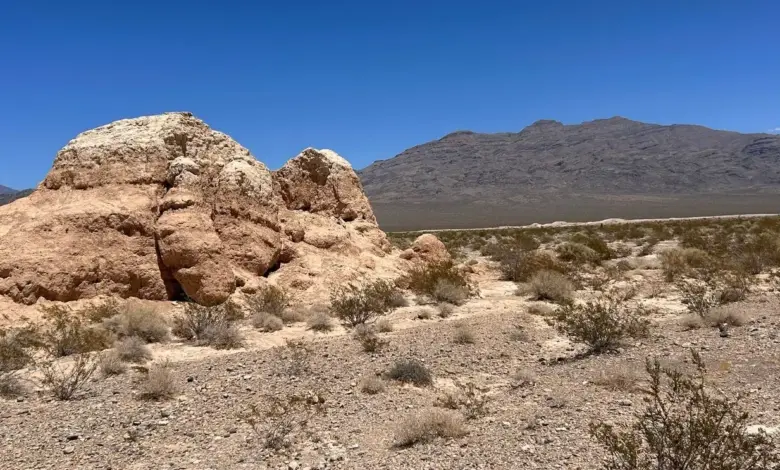
That matters beyond hotel lobbies and gaming tables. Nearby national parks, which often serve as day trips or add-on destinations for people traveling through Southern Nevada, are also seeing weaker visitation. The National Park Service data show that parks in and around Nevada generated more than US$430 million in economic benefit, but several major sites have recorded declines over the past two years. The pressure is broad enough to affect hotels, tour operators, gift shops and gas stations tied to the same travel ecosystem.
Expert views point to cost, not lost interest
Economists interviewed in the context of the decline point to household finances rather than fading curiosity. Gokce Soydemir, an economist at Stanislaus State University, described a serious affordability crisis and said the shock from oil prices is being reflected in inflation almost instantaneously. His point is especially relevant with Las Vegas gas prices listed at US$5. 06 a gallon for regular unleaded, a level that can quickly change trip planning and spending behavior.
Aaron Hegde, an economist at California State University-Bakersfield, said the decline appears tied more to changing economic conditions than to declining interest in the parks. He said low consumer confidence suppresses travel and argued that even free admission would not restore earlier visitation levels until conditions improve. Together, those views suggest the las vegas strip is part of a wider affordability story, not an isolated tourism problem.
Regional fallout and the road ahead
The regional effect is likely to be uneven. Great Basin National Park near Ely was the exception, with visitation rising by 9, 000 over the last year, while the Grand Canyon, Death Valley National Park, Lake Mead National Recreation Area and Tule Springs Fossil Beds National Monument all saw declines. That mix shows the slowdown is not uniform, but the direction is clear enough: fewer travelers are moving through the Las Vegas corridor, and those who do arrive are more price-sensitive than before.
For now, the city appears to be splitting into two markets, one tied to tourists and one tied to residents. If the las vegas strip keeps losing its value edge while neighborhood casinos remain supported by local spending, which side will define the next phase of Las Vegas growth?