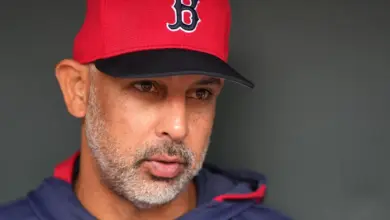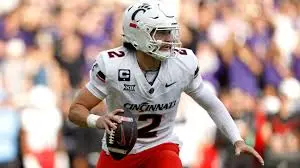
Gambling is now part of a Texas Tech story that began as a high-stakes quarterback move and has turned into a broader program risk. Brendan Sorsby, the transfer expected to stabilize the offense, is away from the program in residential treatment, leaving head coach Joey McGuire without a simple spring answer and with the roster timeline tightening fast.
What Happens When the Transfer Window Is Gone?
The immediate problem is not only personnel, but timing. The spring transfer portal window is closed, and new NCAA Division I emergency legislation tied to ghost transfer rules makes the usual late fix far harder. If Texas Tech were to add a quarterback now who never entered the portal, the consequences could reach McGuire directly. One reported scenario includes a suspension for 50% of the season and a fine equal to 20% of the program’s annual budget.
That is what turns this into more than a depth-chart issue. The program cannot simply patch the hole with any available quarterback without potentially triggering a separate penalty. In practical terms, Texas Tech is boxed in by roster rules at the exact moment it needs flexibility most.
What Is the Current State of Play Around gambling?
The current picture is complicated by overlapping issues. Sorsby is already linked to a separate $1 million lawsuit from his former school, Cincinnati, which says he violated an NIL deal when he transferred. The contract reportedly ran through December 2026 and included a buyout clause if he left early. His camp disputes the penalty, calling it unreasonable and disproportionate, but the case remains active.
At the same time, the gambling issue adds another layer of uncertainty. Reports show Sorsby placed thousands of bets in 2022, including wagers on Indiana games while he was on the roster. Under current NCAA guidelines, betting on one’s own school can lead to permanent ineligibility. That puts the situation squarely in the territory where institutional discipline, legal exposure, and roster planning collide.
| Pressure point | What it means for Texas Tech |
|---|---|
| Sorsby away in treatment | Quarterback availability is uncertain |
| Spring portal closed | Easy roster replacement is unavailable |
| Ghost transfer rules | Late outside help could create penalties |
| Active NIL dispute | Financial exposure may extend beyond the field |
| gambling allegations | Eligibility risk could reshape the program’s plan |
What If Texas Tech Has to Ride This Out Internally?
The most likely outcome is that Texas Tech leans on the quarterbacks already in the building. Backup Will Hammond is the first name in the frame. He missed all of spring while recovering from a torn ACL suffered last October, but he has been throwing again over the past 10 days and is believed to be a possible Week 1 option against Abilene Christian. Behind him, Lloyd Jones is back as a depth option, and Kirk Francis arrives as another name in the mix.
Best case: Hammond progresses quickly, Sorsby’s status becomes clearer, and the staff avoids any rule-breaking roster move. Most likely: the staff manages a limited quarterback room through camp and waits for more clarity on Sorsby’s availability. Most challenging: the program loses both roster certainty and financial stability if the NCAA, legal process, or treatment timeline leads to prolonged absence or harsher action.
What If the Fallout Extends Beyond One Player?
The broader force here is institutional tightening. The NCAA has signaled that it is trying to close loopholes after ending the April transfer window, and this case fits the kind of high-profile test that can shape how the rules are enforced. Analysts like Joe DeLeone have suggested that the NCAA may want to make an example of a player tied to major NIL money and a visible program.
That creates winners and losers. The clearest losers are Texas Tech’s coaching staff, which must solve a roster problem with limited tools, and the program’s boosters, who may face a difficult question if the quarterback who drew major investment cannot play. The legal and compliance sides of college sports also gain more influence, because this case underscores how quickly player movement, gambling concerns, and NIL contracts can become one tangled file.
There are no clean answers yet, and that is the important point. Texas Tech is not just managing a depth-chart adjustment; it is trying to absorb a sequence of overlapping shocks with little room to maneuver. For readers tracking where college sports is headed, this is a reminder that roster-building, regulation, and gambling scrutiny are now deeply intertwined. The next move matters not only for the season, but for how programs approach risk from here on out. gambling