cia mexico has become a sharper test of sovereignty after the Mexican government said two US agents who died in a crash last weekend were not authorized to operate in the country. The case matters because it sits at the intersection of anti-narcotics cooperation, federal approval rules, and Mexico’s insistence that foreign officials cannot participate in operations without clearance.
What Happens When Sovereignty Meets Security Cooperation?
The crash took place in the northern state of Chihuahua after a convoy returned from an operation targeting suspected methamphetamine labs. the vehicle skidded off a mountain road and exploded, killing the two US agents and two members of the Chihuahua State Investigation Agency.
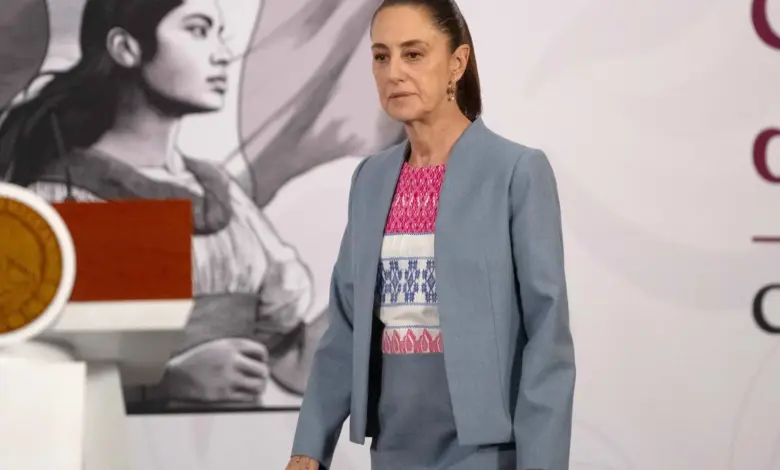
Mexico’s security ministry said an investigation ordered by President Claudia Sheinbaum found that neither US citizen had formal accreditation to take part in operational activity inside national territory. One had entered as a visitor, while the other had traveled on a diplomatic passport. The ministry also said federal authorities had not been informed of their presence.
That finding raises a straightforward but serious question: how much room exists for cross-border security cooperation when the legal line is clear but the operational reality appears more complicated? In this case, Mexican officials have emphasized that foreign agents must have prior federal approval before taking part in any operation.
What If The Current Rules Are Tested Again?
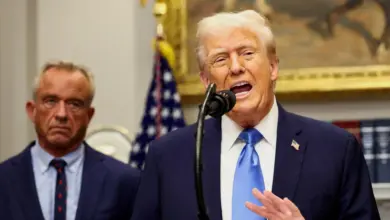
The episode arrives amid already fraught relations between Mexico and the United States over counter-narcotics policy. Sheinbaum has faced growing pressure from US President Donald Trump to intensify action against drug trafficking, while repeatedly declining offers of US-led counter-narcotics operations in Mexico.
Sheinbaum has also said that intelligence-sharing with Washington continues, but that there are no joint operations on land or in the air. That distinction matters. It suggests cooperation can continue in limited forms, but only within a framework Mexico says must protect sovereignty and keep federal control intact.
Mexico’s security ministry said the law prohibits foreign agents from participating in operations without federal approval. Sheinbaum has said foreign officials can operate on Mexican soil only if given prior clearance by the federal government. In practical terms, the current dispute is not only about one crash; it is about whether Mexico can enforce those rules consistently under pressure.
What Happens Next For CIA Mexico?
The public details remain limited, and that limits certainty. US authorities have not confirmed the reports identifying the dead as CIA officers, while Mexican officials have used careful language about the scope of the incident and the legal status of the personnel involved. Still, the political message from Mexico is plain: unauthorized operational activity will be treated as a sovereignty issue, not a narrow technicality.
| Scenario | What it means | Likely signal |
|---|---|---|
| Best case | Both governments narrow the dispute and preserve limited intelligence-sharing | Quiet handling, tighter approval rules, less public friction |
| Most likely | Mexico reasserts formal controls while cooperation continues under stricter terms | More scrutiny of foreign personnel, sustained political tension |
| Most challenging | The case deepens mistrust over operations on Mexican soil | Reduced cooperation and louder sovereignty disputes |
For Washington, the issue is whether expanded anti-trafficking efforts can be pursued without crossing Mexico’s legal and political boundaries. For Mexico, the issue is whether it can sustain cooperation while proving that federal authorization is not optional. For both sides, the operational lesson is clear: ambiguity around who is allowed to do what on Mexican territory creates risk well beyond a single crash.
There are also domestic stakes. Mexico’s security institutions must show they know who is operating in sensitive missions, and under what authority. If that control is unclear, the credibility of future cooperation weakens. If it is enforced firmly, the relationship can continue, but on Mexico’s terms.
cia mexico now sits at that inflection point. The next phase will depend less on rhetoric than on whether both governments can separate intelligence cooperation from unauthorized action on the ground. Readers should watch for whether Mexico tightens oversight, whether Washington accepts the boundary, and whether this case becomes a model for stricter coordination or a warning about how quickly trust can erode. cia mexico